
Understanding the Developmental Program Levels in Gymnastics
Gymnastics levels can be confusing to understand. In USAG there are two different programs with different sets of levels. There is the Developmental Program, formerly known as the Junior Olympic program and the Xcel program. Both programs are offered nationwide. Let's take a look into the Developmental Program Levels
Developmental Program Levels
The Developmental Program (DP) consists of levels 1-10. The program was developed to help gymnasts build a solid foundation in the sport of gymnastics and safely advance. Below is an overview of each level. Keep in mind there are many additional rules and requirements that coaches and judges must know and understand to help the athletes succeed.
Levels 1 and 2
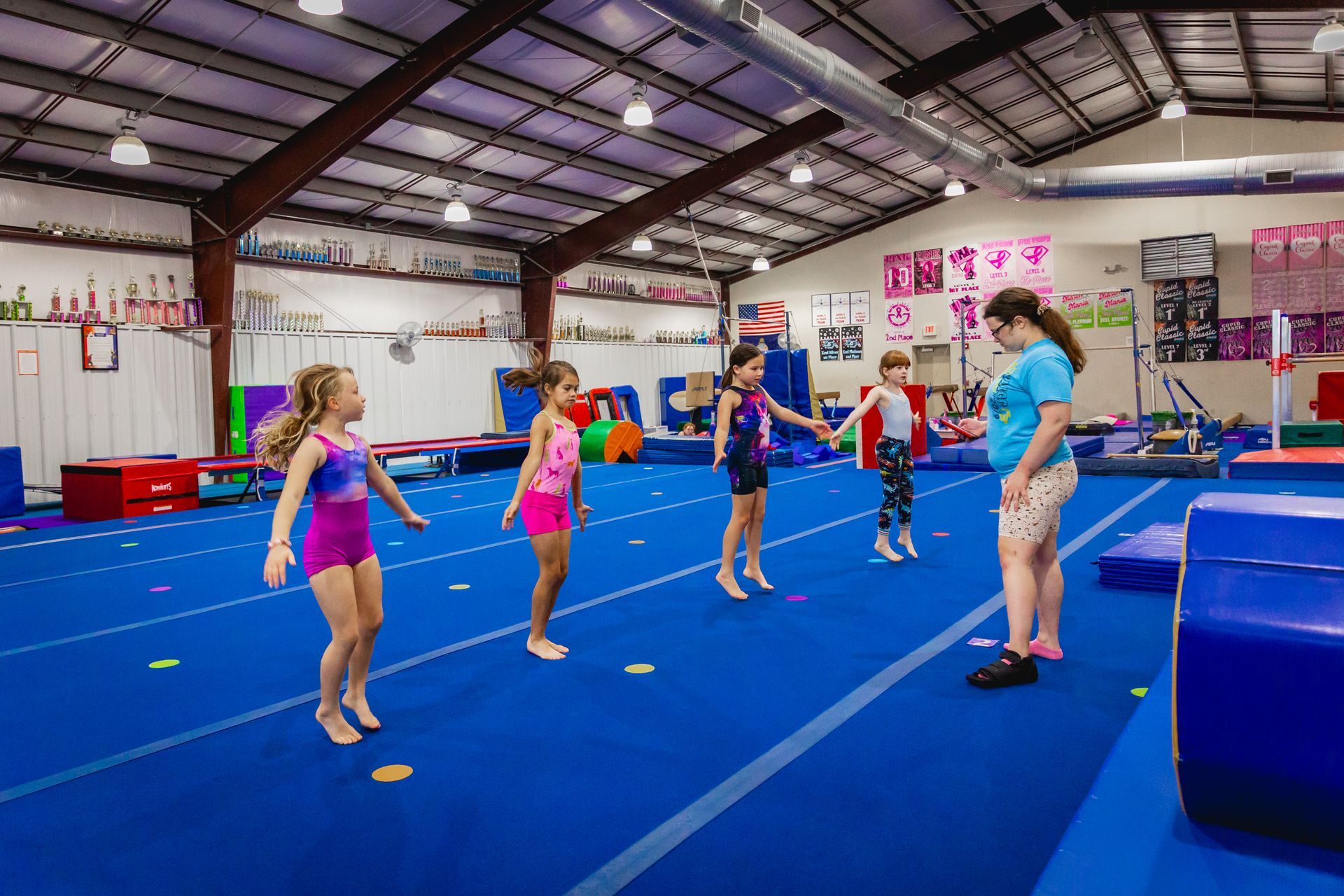
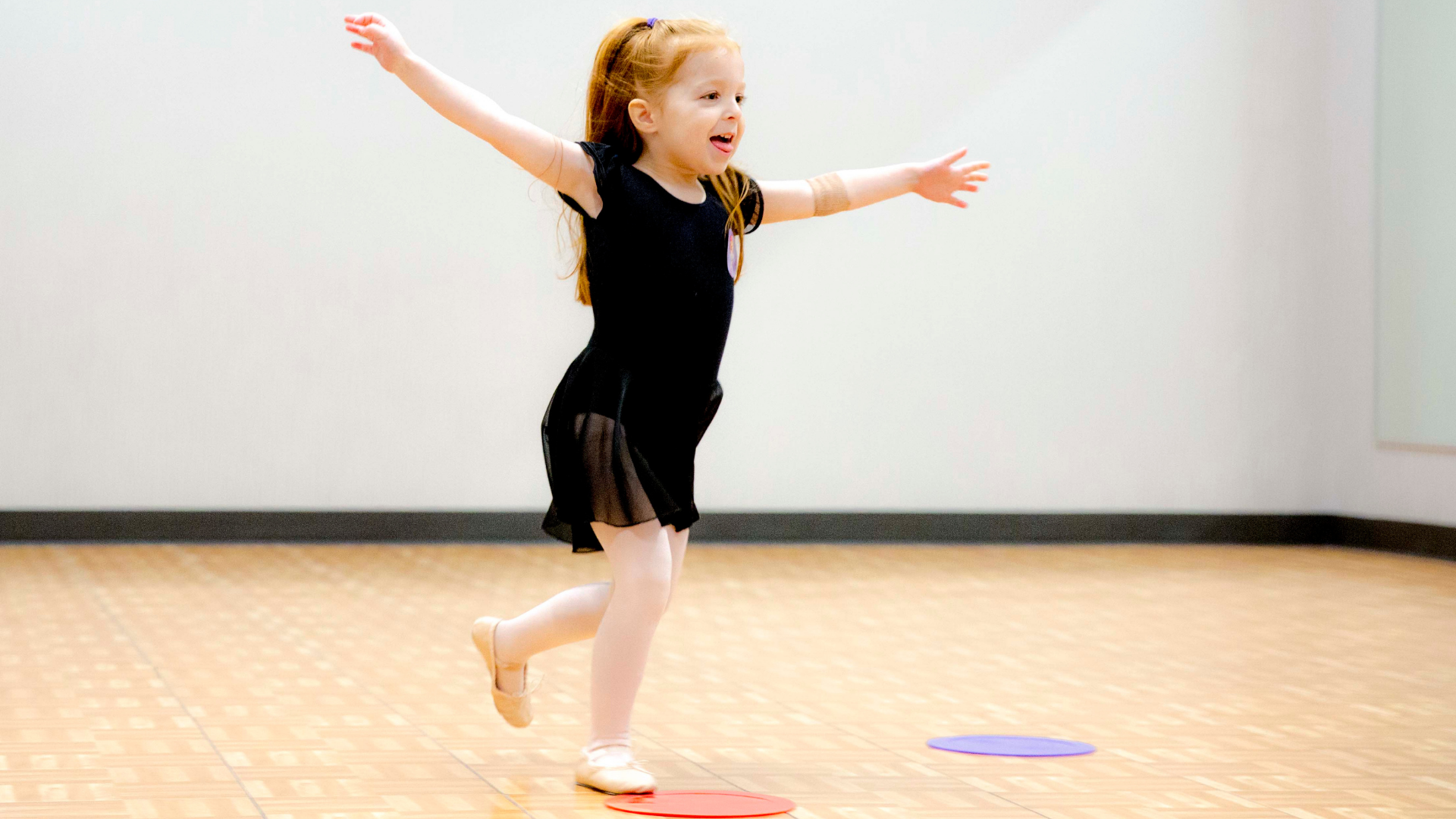
These levels are often used as non-competitive levels. Many clubs choose to use the skills in these levels as the basis for their recreational or team development programs. These levels aim to teach the very basics of the sport.

Level 3
Level 3 can also be used as a non-competitive level. However, many clubs start their gymnasts Developmental Program experience at level 3. Level 3 is a compulsory level, meaning that every skill, dance move (music), hand, and leg position is dictated. Coaches and judges across the nation study the routines and choreography to help gymnasts learn and perform the routine exactly as it is was created. Gymnasts are then judged on how well the skills are performed and if each movement is performed exactly like it is supposed to be done. In order to compete level 3, gymnasts must by six years old.

Level 4
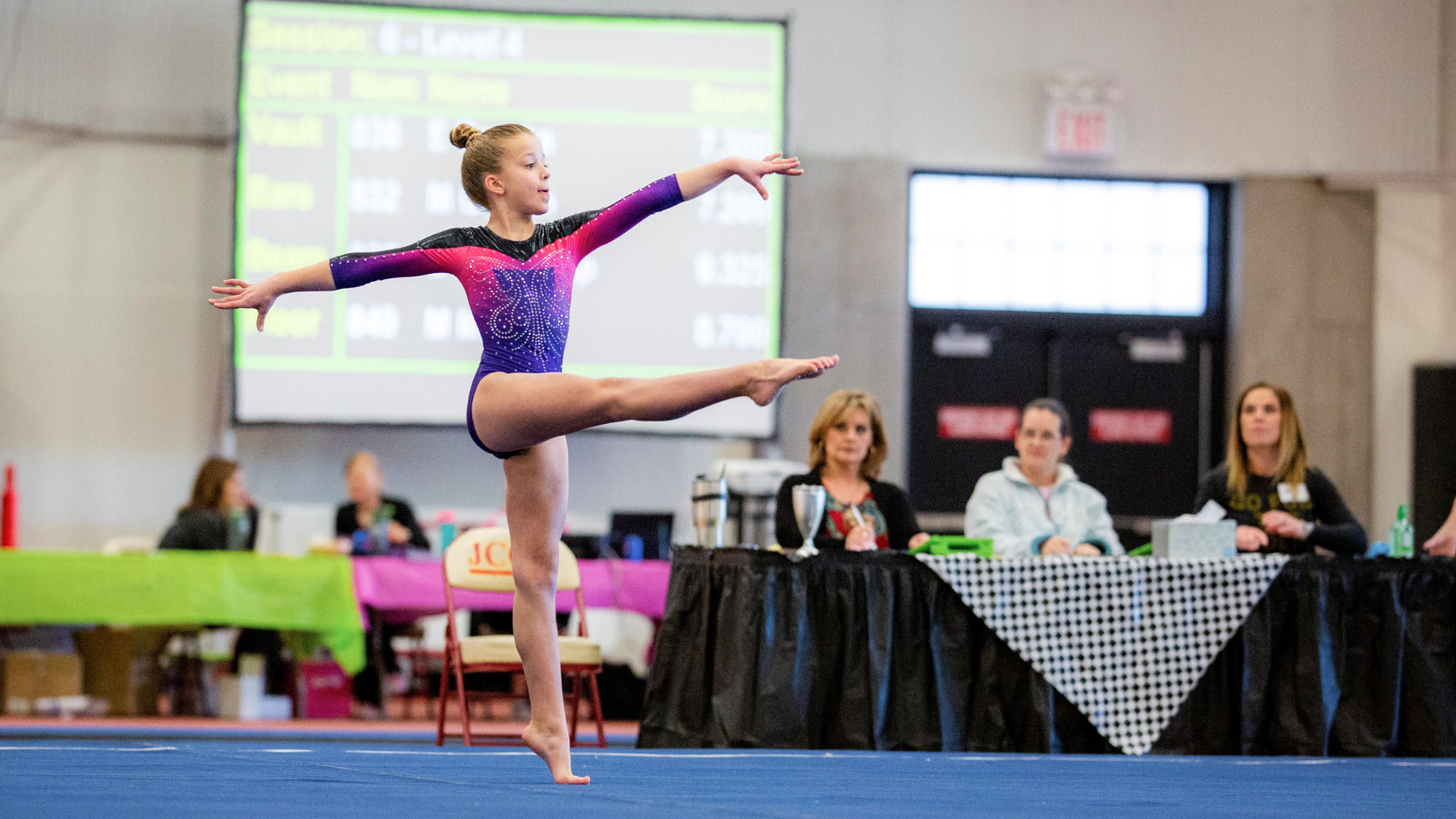
The first required competitive level in the DP program. Like level 3 it is a compulsory level. Gymnasts must be 7 years of age to compete level 4 and they must score a minimum of a 34 in the all around to advance to level 5. If you score a 36 all around or above, you may advance to Level 6.

Level 5
The last compulsory level in the Developmental Program and a required competitive level. Gymnasts must be 7 years of age to compete level 5 and they must achieve a minimum all around score of a 32 to be eligible for level 6 or 7.

Level 6
Level 6 is considered an introductory optional level in the Developmental Program. Optional routines have set requirements for each event (5 A skills and 1 B skill). Gymnasts and coaches work together to come up with the best skills and choreography (and floor music) to meet the requirements and highlight the gymnasts strengths. Gymnasts are judged on meeting the skill requirements along with how well each skill is executed and performed. Level 6 is the only DP level that is not required. Gymnasts may skip this level if they achieved a score of 32 or higher in the all-around as a level 5 gymnast. If a gymnast chooses to compete level 6, they must then achieve a minimum all-around score of 32 to advance to level 7.

Level 7
Level 7 is also considered an introductory optional level and has set requirements (5 A skills and 2 B skills), but allows gymnasts to individualize their routines. Gymnasts in level 7 must be a minimum of 7 years old and they much achieve a minimum of a 32 in the all-around to advance to level 8.

Level 8
This is the last optional level that allows gymnasts to start at a 10.0 start value simply by meeting the skill requirements (4 A skills and 4 B skills). This means that each gymnast who meets the requirements listed on the level 8 chart begins there routine at a 10 and the judges subtract from there. This is also the first level that introduces composition deductions meaning that the routine must show skill balance and difficulty throughout. Gymnasts at this level must also do a minimum level of difficulty that goes beyond just the requirements in order to avoid further deductions. Gymnasts in level 8 must be a minimum of 8 years old and are required to score a 34 before advancing to level 9.

Level 9
Level 9 is the first optional level to require gymnasts to go above and beyond the skill requirements (2 A skills, 3 B skills, 1 C skill) to reach a 10.0 start value. Gymnasts who meet all of the skill requirements in level 9 begin their routine at a 9.7, they must combine B, C, and D skills to earn .3 in bonus before reaching a 10.0 start value. Like Level 8, gymnasts at this level must also do a minimum level of difficulty that goes beyond just the start value in order to avoid further deductions. Gymnasts in level 9 must be a minimum of 8 years old and are required to score a 34 before advancing to level 9.

Level 10
The highest level in the DP program and the first level without difficulty restrictions. Each of the optional levels prior has a difficulty cap. In level 10, gymnasts still have set requirements (3 A skills, 3 B skills, and 2 C skills), but no restrictions. Like level 9, gymnasts must build bonus points to earn a 10.0 start value and meet a minimum level of difficulty to avoid deductions. In level 10, gymnasts need .5 in bonus and can earn bonus from both added difficulty (D & E skills) and combining elements. Gymnasts must be a minimum of 9 years old at this level. Many gymnasts who reach this level continue their gymnastics career in college.

Hopefully, this helps you make sense of each of the Developmental Program competitive levels. As you can tell, there is a lot to learn when it comes to understanding the levels. Keep in mind, your daughter's coach is studying the rules and requirements and will be able to determine which level is best for your gymnast.
Pinnacle in 3-D: Coaching, Development, and Success