
How Preschool Gymnastics Aids in Social Development
Preschool is one of the most important stages for social development. During these early years, children learn how to communicate, cooperate, and build friendships. While parents often think of gymnastics as a physical activity, preschool gymnastics also plays a powerful role in shaping social skills.
Through structured movement, group activities, and guided interaction, gymnastics classes create a safe environment where young children practice the foundational behaviors they need for success in school and life. From taking turns on the balance beam to cheering for classmates, these experiences help preschoolers develop empathy, confidence, and communication skills.
In this article, we’ll explore how preschool gymnastics aids in social development, the science behind movement and social growth, and how parents can support these benefits at home.
Why Social Development Matters in the Preschool Years
Between the ages of three and five, children are learning how to interact with the world beyond their family. This stage is when they begin to:
- Understand social rules
- Communicate with peers
- Develop empathy and cooperation
- Manage emotions in group settings
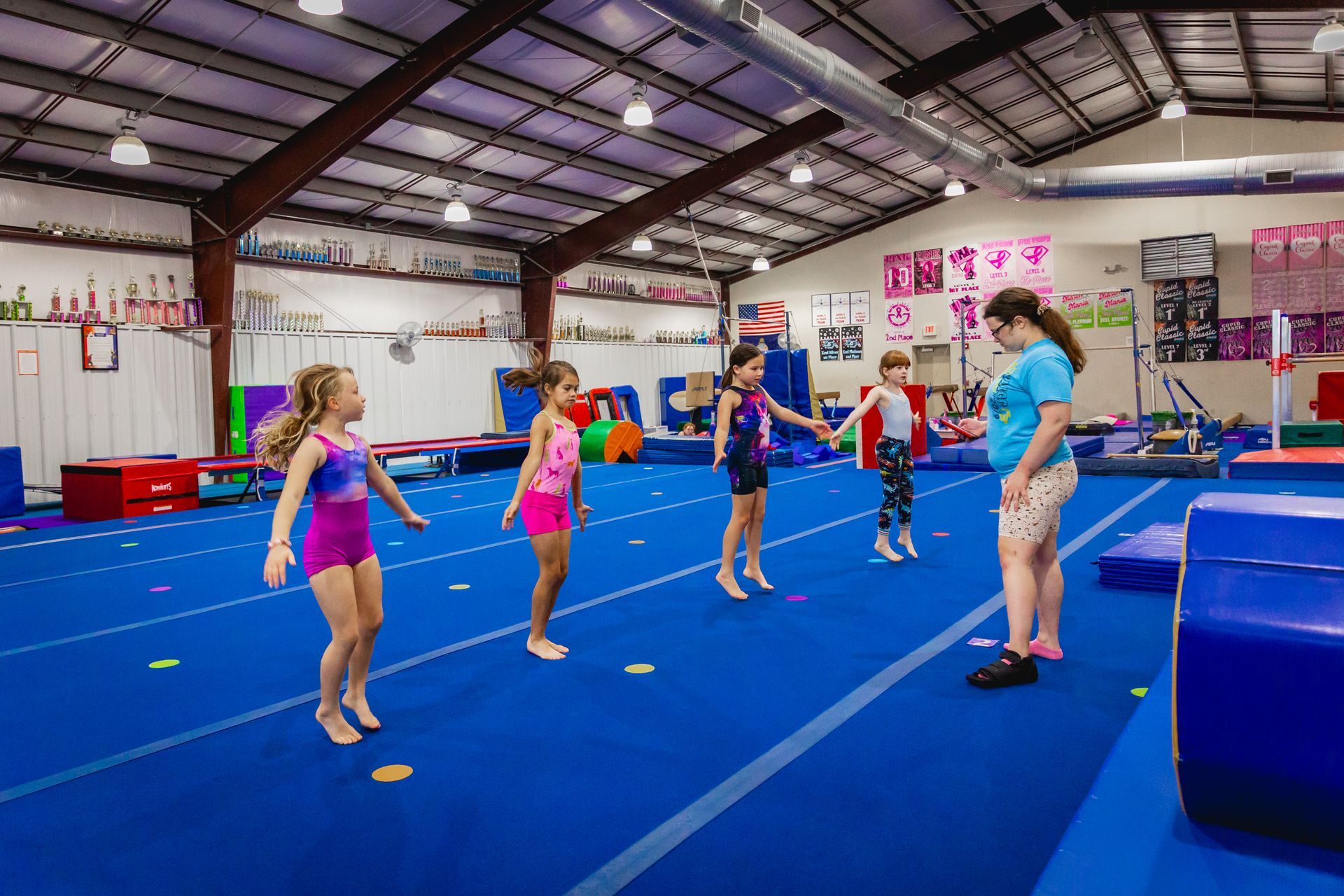
Structured activities like gymnastics provide an ideal environment for practicing these skills. In group classes, children learn to listen to instructions, respect personal space, and interact with peers in positive ways.
Unlike free play alone, a guided class gives children opportunities to develop social skills while being supported by trained instructors.
5 Ways Preschool Gymnastics Aids in Social Development
1. Learning to Take Turns and Share
One of the biggest social milestones for preschoolers is learning patience and cooperation.
Gymnastics classes naturally create opportunities for turn-taking. For example:
- Waiting in line for the trampoline
- Rotating through obstacle courses
- Taking turns on the balance beam
These structured moments teach children that everyone gets a chance. Over time, preschoolers begin to understand fairness and respect for others.
This simple routine helps build the social foundation needed for classroom environments.
2. Building Communication Skills
Preschool gymnastics encourages children to communicate with both instructors and peers.
Children practice communication when they:
- Ask for help with a skill
- Celebrate a friend’s accomplishment
- Follow verbal instructions
- Participate in group warm-ups or games
These interactions help children expand their vocabulary and gain confidence speaking in social settings.
As they grow comfortable expressing themselves, they become more engaged and socially confident.
3. Developing Empathy and Teamwork
Although gymnastics often focuses on individual skills, preschool classes emphasize teamwork and encouragement.
Young gymnasts learn to:
- Cheer for classmates
- Offer high-fives after a skill
- Encourage friends who feel nervous
Group environments help children feel part of a community where everyone supports each other’s progress.
These positive peer interactions help develop empathy—an essential social skill for building strong friendships.
4. Practicing Emotional Regulation
Preschoolers are still learning how to manage big emotions.
Gymnastics offers a safe place to experience and work through feelings like:
- Excitement
- Frustration
- Nervousness
- Pride
For example:
A child may feel frustrated after falling off the balance beam. With guidance from coaches, they learn to try again instead of giving up.
Physical activity also helps release energy and reduce stress, which can support emotional balance and resilience.
Over time, these experiences help children build the emotional control needed in social situations.
5. Creating Opportunities for Friendship
One of the most valuable social benefits of preschool gymnastics is the opportunity to build friendships.
Shared experiences—like completing an obstacle course or learning a new skill—create natural connections between children.
Friendships formed in activities like gymnastics often extend beyond the gym, helping children feel more confident in new social environments.
These early relationships help preschoolers develop trust, cooperation, and a sense of belonging.
The Science of Kindness, Movement, and Social Growth
Research shows that physical activity plays an important role in social and emotional development during early childhood.
When children engage in structured movement activities:
- Neural pathways between the brain and body strengthen
- Both hemispheres of the brain become more integrated
- Children improve coordination, focus, and emotional control
A study involving preschool physical education programs also found that increased physical activity supports improvements in emotional behavior and social interaction.
Movement-based programs like gymnastics are especially beneficial because they combine:
- Physical activity
- Social interaction
- Structured learning
- Positive reinforcement
Together, these factors create an ideal environment for developing both physical and social skills.
Practical Examples of Social Learning in Preschool Gymnastics
Parents often see the results of gymnastics social development in everyday life.
Here are a few examples:
Example 1: Turn Taking
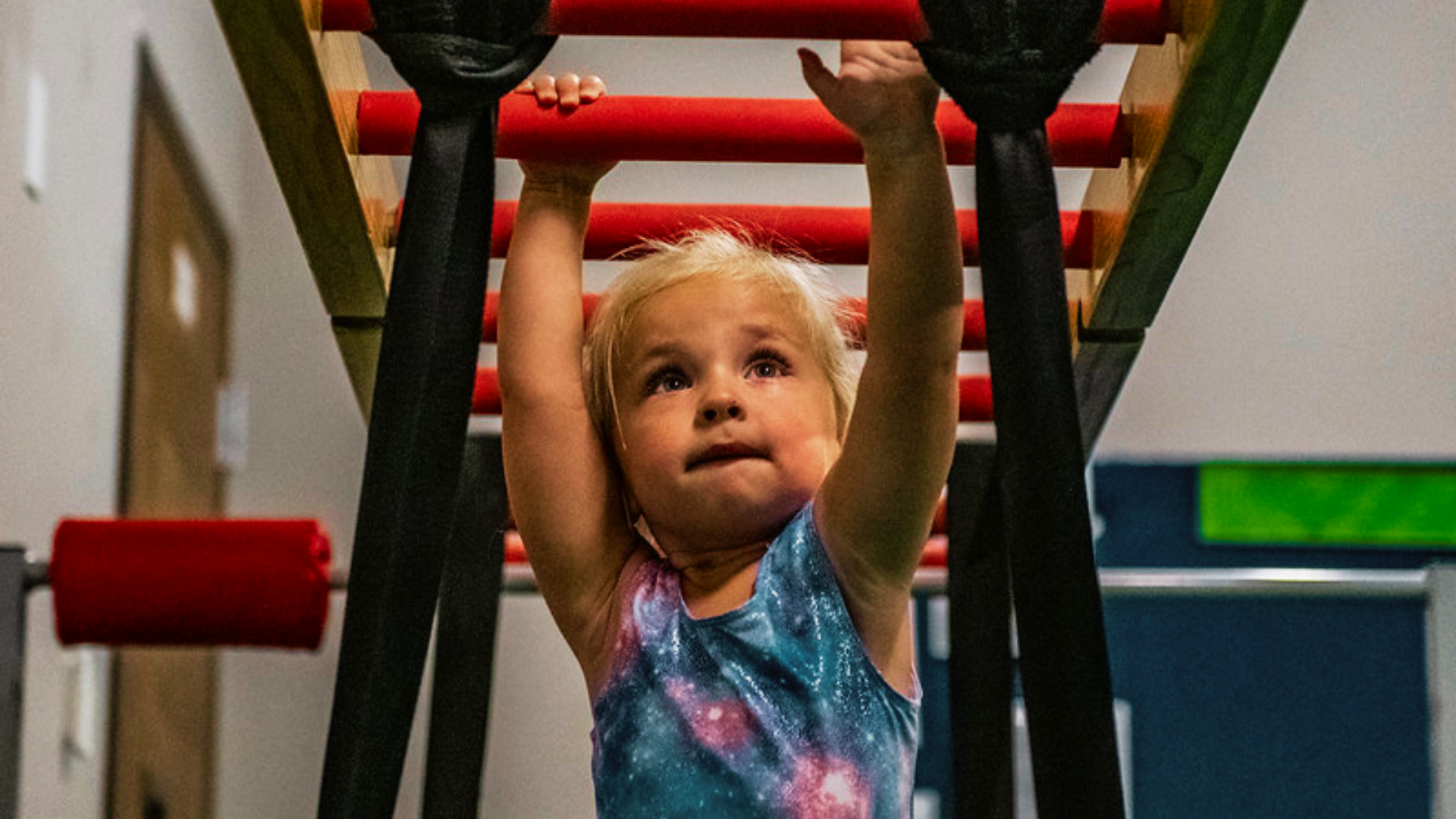
During class, a child waits for their turn on the bars. Over time, they begin demonstrating patience at school or during playdates.
Example 2: Encouragement
Children clap for a classmate who performs a new skill. This reinforces positive peer relationships and empathy.
Example 3: Listening Skills
Following directions from a coach helps preschoolers practice listening and responding to authority figures—an important classroom skill.
Example 4: Confidence in Social Settings
A shy child gradually becomes comfortable participating in group warm-ups and interacting with peers.
These small moments add up to big developmental progress.
How Parents Can Support Social Development Through Gymnastics
Parents play an important role in reinforcing the social skills children learn in gymnastics.
Here are a few ways to help:
Encourage Positive Sportsmanship
Ask your child questions like:
- “Who did you cheer for today?”
- “Did you help a friend learn something new?”
This helps reinforce empathy and kindness.
Celebrate Effort, Not Just Skills
Focus on behaviors like:
- Listening to the coach
- Being patient
- Encouraging others
These are the true building blocks of social growth.
Practice Turn-Taking at Home
Games, obstacle courses, or simple activities like taking turns on playground equipment reinforce the same skills practiced in gymnastics.
Talk About Feelings
Help children identify emotions they experienced in class:
- “Were you proud when you tried that jump?”
- “Did anything feel frustrating today?”
This strengthens emotional awareness.
Final Thoughts
Preschool gymnastics is much more than learning cartwheels and forward rolls. It is a powerful tool for helping young children develop the social skills they will use throughout their lives.
Through structured activities, group interaction, and supportive coaching, gymnastics helps preschoolers learn how to:
- Communicate with others
- Show empathy and kindness
- Manage emotions
- Build friendships
- Gain confidence in social settings
By combining movement, play, and social interaction, preschool gymnastics creates an environment where children can grow physically, emotionally, and socially—all while having fun.
Read More:
Pinnacle in 3-D: Coaching, Development, and Success