
Encouraging Accountability at Home: An Age by Age Guide
Teaching accountability is one of the most valuable life skills you can give your child. From remembering to put away toys to managing schoolwork and commitments, accountability shapes confidence, responsibility, and independence. This guide on Encouraging Accountability at Home: An Age by Age Guide breaks down practical, realistic strategies you can use at every stage of your child’s development.
Whether your child is a toddler or a teenager, building accountability at home creates a strong foundation for success in school, sports, and life.
Why Accountability Matters for Kids
Accountability isn’t about punishment—it’s about ownership. When children understand that their actions have consequences (both positive and negative), they begin to develop self-discipline and integrity.
According to the American Psychological Association, children who are taught responsibility early tend to develop stronger problem-solving skills and higher self-esteem.
Ages 2–4: Building Awareness Through Simple Choices
At this stage, accountability starts with awareness. Toddlers and preschoolers are just beginning to understand cause and effect, so the focus should be on simple, clear expectations.
Children this age thrive on repetition and routine. Giving them small responsibilities helps them feel capable and included, while also introducing the idea that their actions matter.
Focus on:
- Cleaning up toys with guidance
- Following simple directions
- Making small choices (“Do you want the red cup or blue cup?”)
Tips:
- Use positive language (“Let’s clean up together”)
- Model the behavior you want to see
- Keep expectations consistent
For more on early childhood development, visit Zero to Three.
Ages 5–7: Creating Consistency and Routine
As children enter early elementary years, they are ready for more structure and clear expectations. This is the perfect time to introduce routines that build accountability into everyday life.
Kids at this age begin to understand rules and fairness. They also start to take pride in completing tasks independently, which makes it a great opportunity to reinforce responsibility.
Focus on:
- Daily chores (making bed, putting away belongings)
- Following a morning and bedtime routine
- Taking responsibility for school items
Tips:
- Use visual charts or checklists
- Offer praise for effort, not just results
- Keep tasks age-appropriate and achievable
Ages 8–10: Encouraging Ownership and Follow-Through
At this age, children are capable of taking more ownership of their actions and responsibilities. They can begin to understand the connection between effort and outcomes, making it a key time to reinforce accountability.
This is also when kids start to juggle multiple responsibilities like school, activities, and friendships. Teaching them to manage these commitments helps prevent overwhelm and builds confidence.
Focus on:
- Completing homework independently
- Managing schedules with guidance
- Taking responsibility for mistakes
Tips:
- Allow natural consequences when appropriate
- Encourage problem-solving (“What can you do differently next time?”)
- Avoid rescuing them from every mistake
Check out these helpful parenting strategies for teaching responsibility from Child Mind Institute.
Ages 11–13: Developing Independence and Accountability
Preteens are in a critical stage where independence grows rapidly. They begin to seek more autonomy, and with that comes the need for greater accountability.
This is the time to shift from directing to coaching. Instead of telling them what to do, guide them in making their own decisions and owning the outcomes.
Focus on:
- Managing schoolwork and deadlines
- Keeping track of personal belongings
- Balancing activities and free time
Tips:
- Set clear expectations and boundaries
- Have regular check-ins instead of constant reminders
- Encourage reflection after mistakes
Ages 14–18: Preparing for Real-World Responsibility
Teenagers are preparing for adulthood, making accountability more important than ever. At this stage, the goal is to help them become self-sufficient and reliable.
Teens benefit from being treated with trust and respect, while still having clear expectations. Giving them real responsibilities prepares them for life beyond the home.
Focus on:
- Managing time and commitments independently
- Handling part-time jobs or extracurriculars
- Taking ownership of decisions and consequences
Tips:
- Allow for independence while maintaining boundaries
- Discuss real-world consequences
- Encourage goal-setting and long-term thinking
- Allow teens to experience natural consequences without micromanaging
The Role of Extracurricular Activities in Building Accountability
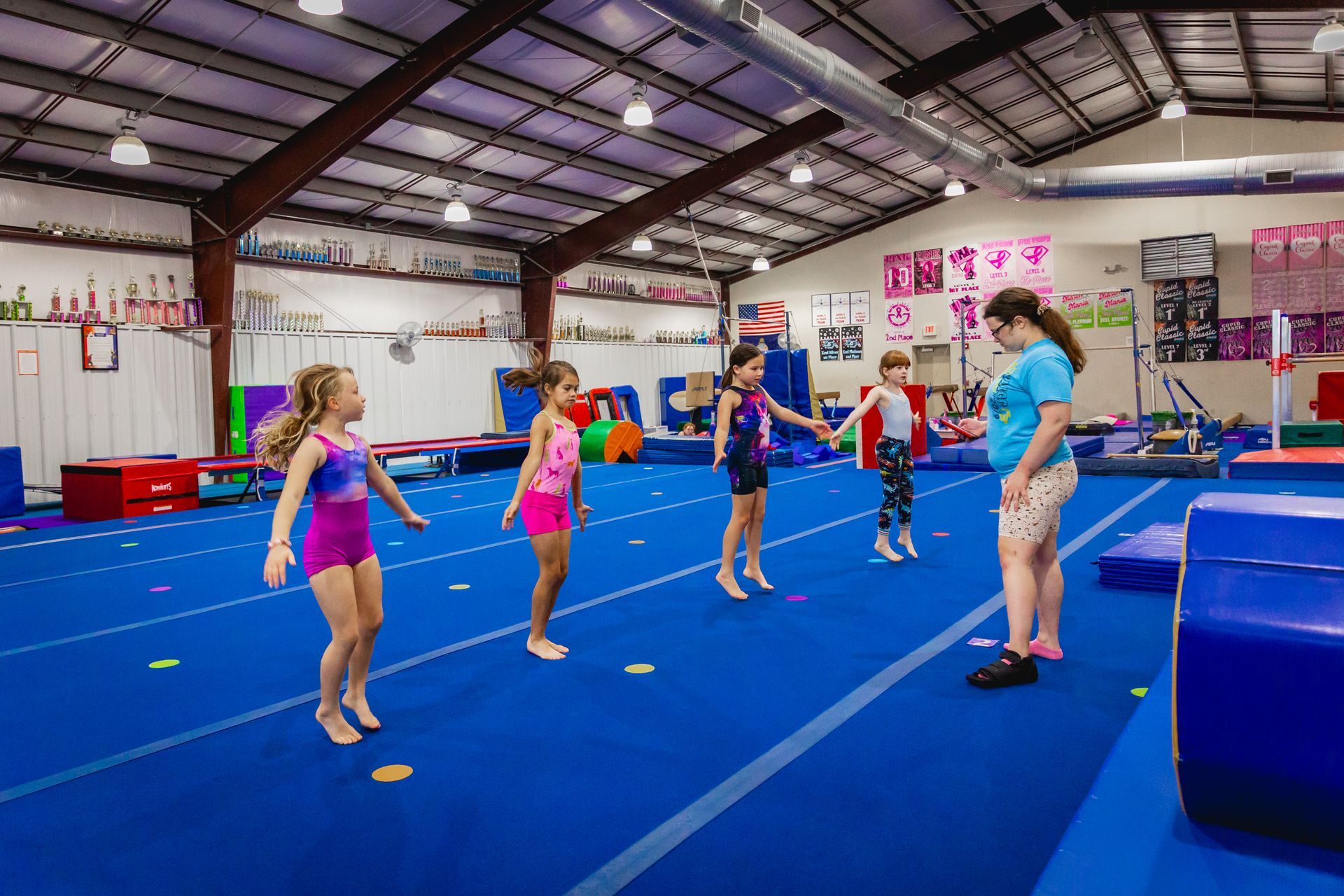
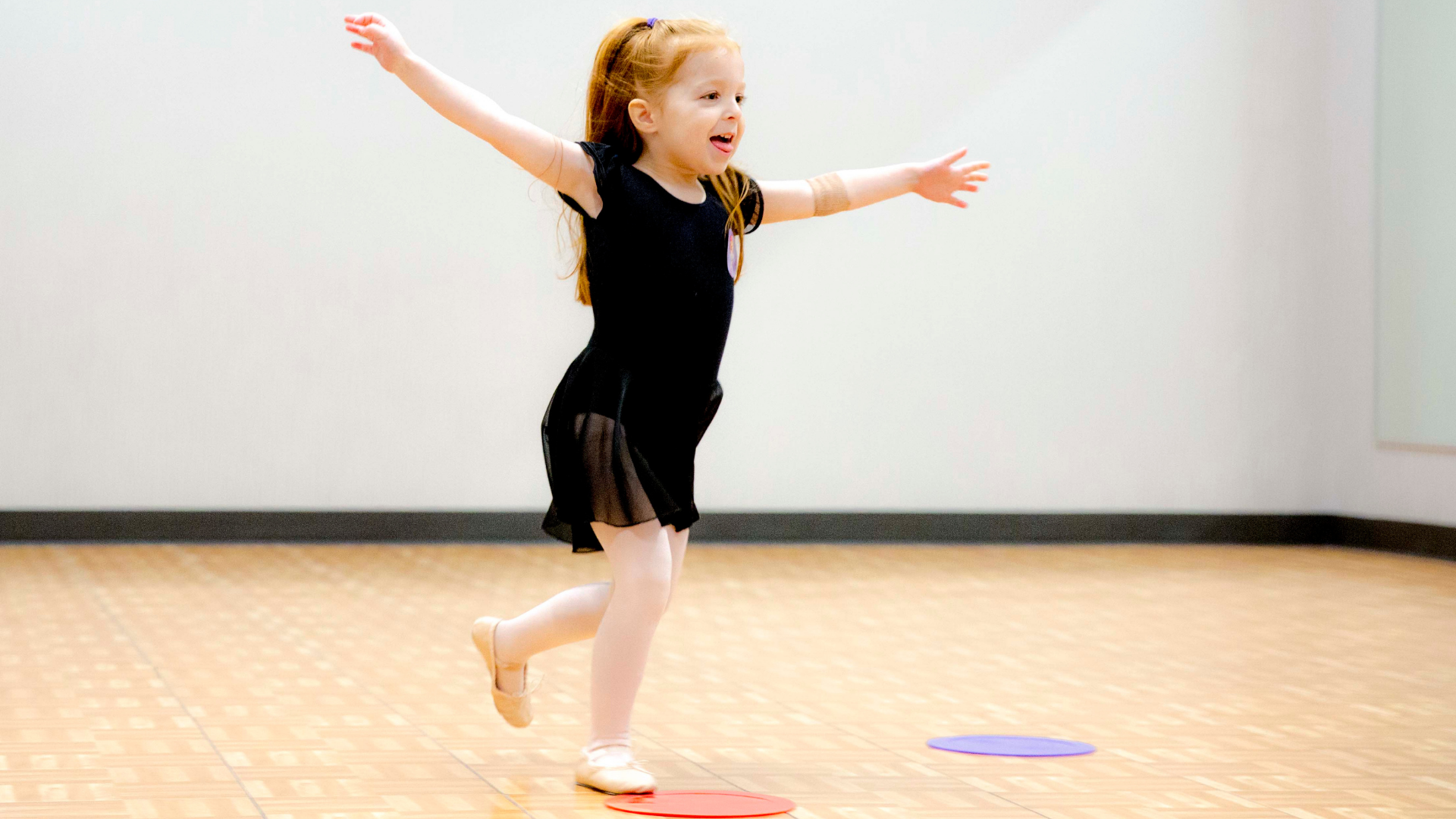
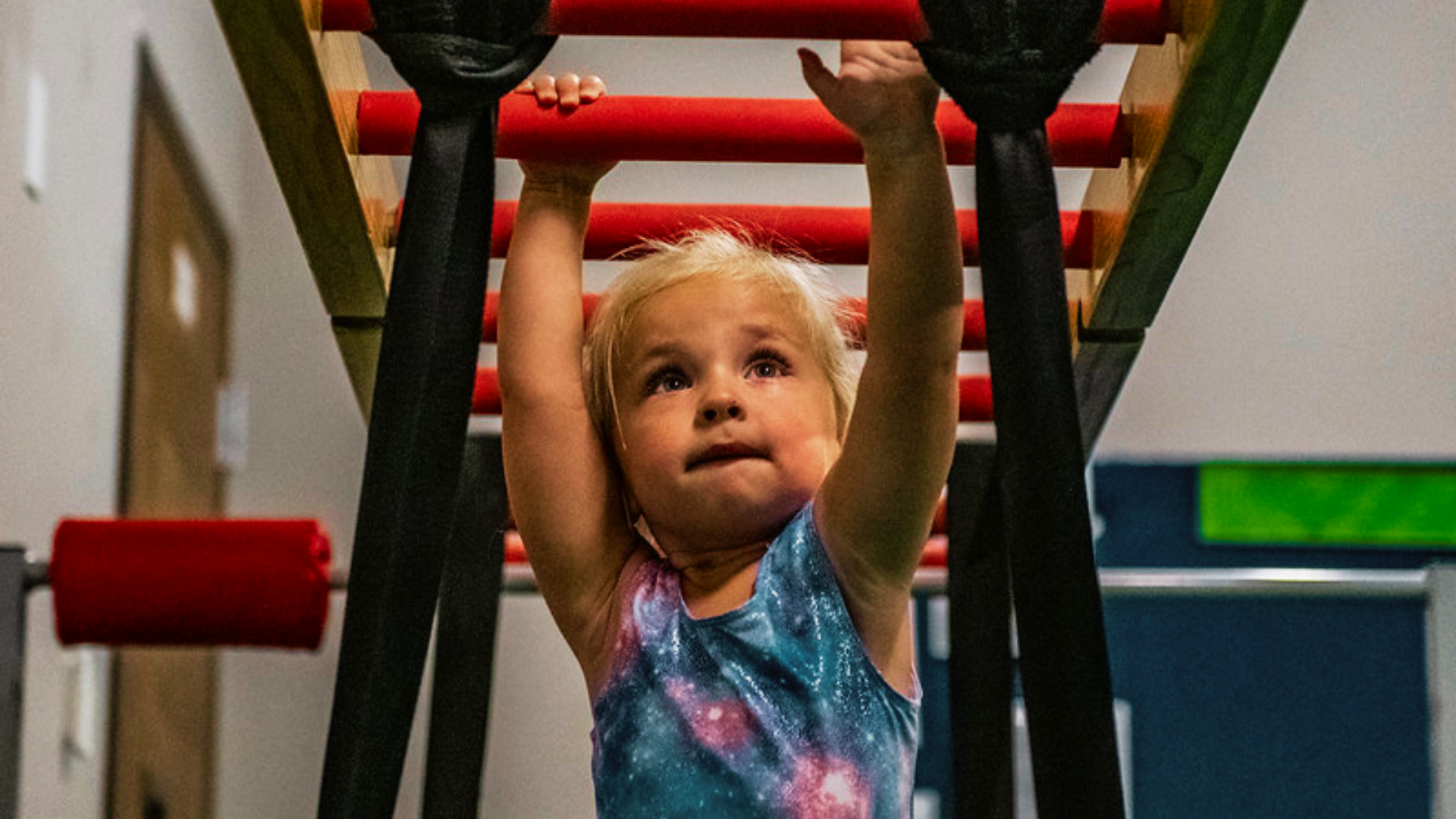
One of the most effective (and often overlooked) ways to build accountability is through extracurricular activities like sports, dance, and gymnastics. When kids commit to a team or class, they learn quickly that others are depending on them to show up, try their best, and follow through.
These environments naturally teach responsibility in ways that feel meaningful and engaging. Kids begin to understand that their attendance matters, their effort impacts progress, and their attitude affects the group.
However, participation alone isn’t enough—learning to balance these commitments with school and home responsibilities is where real growth happens.
Help your child by:
- Setting clear expectations about attendance and effort
- Teaching time management skills (homework before practice, planning ahead)
- Encouraging follow-through even on days they feel unmotivated
- Avoiding the habit of “quitting when it gets hard”
Programs that emphasize structure and accountability can reinforce these skills in a supportive way.
Teaching Kids to Balance Responsibilities and Commitments
As children grow, their schedules become fuller. Between school, activities, social lives, and family time, learning to balance responsibilities becomes essential.
Accountability means not only committing—but honoring those commitments consistently.
Strategies to build balance:
- Use a family calendar to track commitments
- Break large tasks into manageable steps
- Teach prioritization (what must be done vs. what can wait)
- Build in downtime to avoid burnout
Learning balance helps kids feel in control of their responsibilities rather than overwhelmed by them.
Model the Behavior You Want to See
Children learn more from what we do than what we say. Modeling accountability in your own life is one of the most powerful teaching tools you have.
When kids see you following through on commitments, owning mistakes, and managing responsibilities, they begin to internalize those behaviors.
Ways to model accountability:
- Admit when you make a mistake and explain how you’ll fix it
- Follow through on promises
- Stay organized and manage your time effectively
- Have organization systems that can be modeled by your children.
- Speak positively about responsibilities instead of complaining
This not only teaches accountability—it builds trust and respect between you and your child.
Why Letting Kids Fail Builds Long-Term Accountability
It can be difficult to watch your child struggle or make mistakes, but stepping in too quickly can actually prevent them from learning accountability. Failure—when handled in a supportive environment—is one of the most effective teachers.
When kids experience natural consequences, they begin to connect their choices with outcomes. Over time, this builds independence, resilience, and a stronger sense of responsibility.
Examples of healthy “failures”:
- Forgetting homework and facing a school consequence
- Missing out on an event because of poor time management
- Not preparing and experiencing a less-than-ideal result
How to respond:
- Stay calm and avoid “I told you so”
- Ask reflective questions (“What will you do differently next time?”)
- Focus on solutions rather than blame
Allowing children to fail safely teaches them to succeed independently in the future.
Common Mistakes to Avoid
Even with the best intentions, some approaches can unintentionally hinder accountability.
Avoid:
- Over-correcting or micromanaging
- Rescuing children from every mistake
- Setting unrealistic expectations
- Using shame instead of guidance
Instead, aim to create a supportive environment where mistakes are seen as learning opportunities.
Encouraging accountability isn’t about expecting perfection—it’s about teaching progress, responsibility, and resilience over time. By following this Encouraging Accountability at Home: An Age by Age Guide, you can meet your child where they are and help them grow into confident, capable individuals.
From daily routines at home to showing up for extracurricular commitments, every small step builds a strong foundation. With consistency, patience, and the right support, your child will develop the skills they need to succeed in every area of life.
Read More:
Pinnacle in 3-D: Coaching, Development, and Success