
Why Kids Learn Faster in Group Settings
Parents often wonder whether their child learns best one-on-one or alongside other children. While individual attention has benefits, research and experience consistently show that kids often thrive when they learn in a group environment. From gymnastics and dance classes to classrooms and team activities, children develop skills faster when they are surrounded by peers who encourage, challenge, and inspire them.
At Pinnacle Gymnastics, we see firsthand how group learning environments help children build confidence, social skills, and independence while accelerating physical and cognitive growth.
In this article, we’ll explore exactly why kids learn faster in group settings and how collaborative environments support stronger learning outcomes.
The Science Behind Why Kids Learn Faster in Group Settings
Children are naturally social learners. From infancy, kids observe others to understand language, movement, behavior, and problem-solving. According to the American Academy of Pediatrics, social interaction plays a major role in healthy cognitive and emotional development.
When children participate in group activities, they benefit from:
- Observation and imitation
- Positive peer influence
- Friendly competition
- Increased motivation
- Communication practice
- Emotional support
- Shared problem-solving
These experiences activate multiple areas of learning at once, helping children retain information and develop new skills more efficiently.
Kids Learn Through Observation
One major reason why kids learn faster in group settings is because they constantly observe others. Watching peers attempt new skills gives children a visual example of what success looks like.
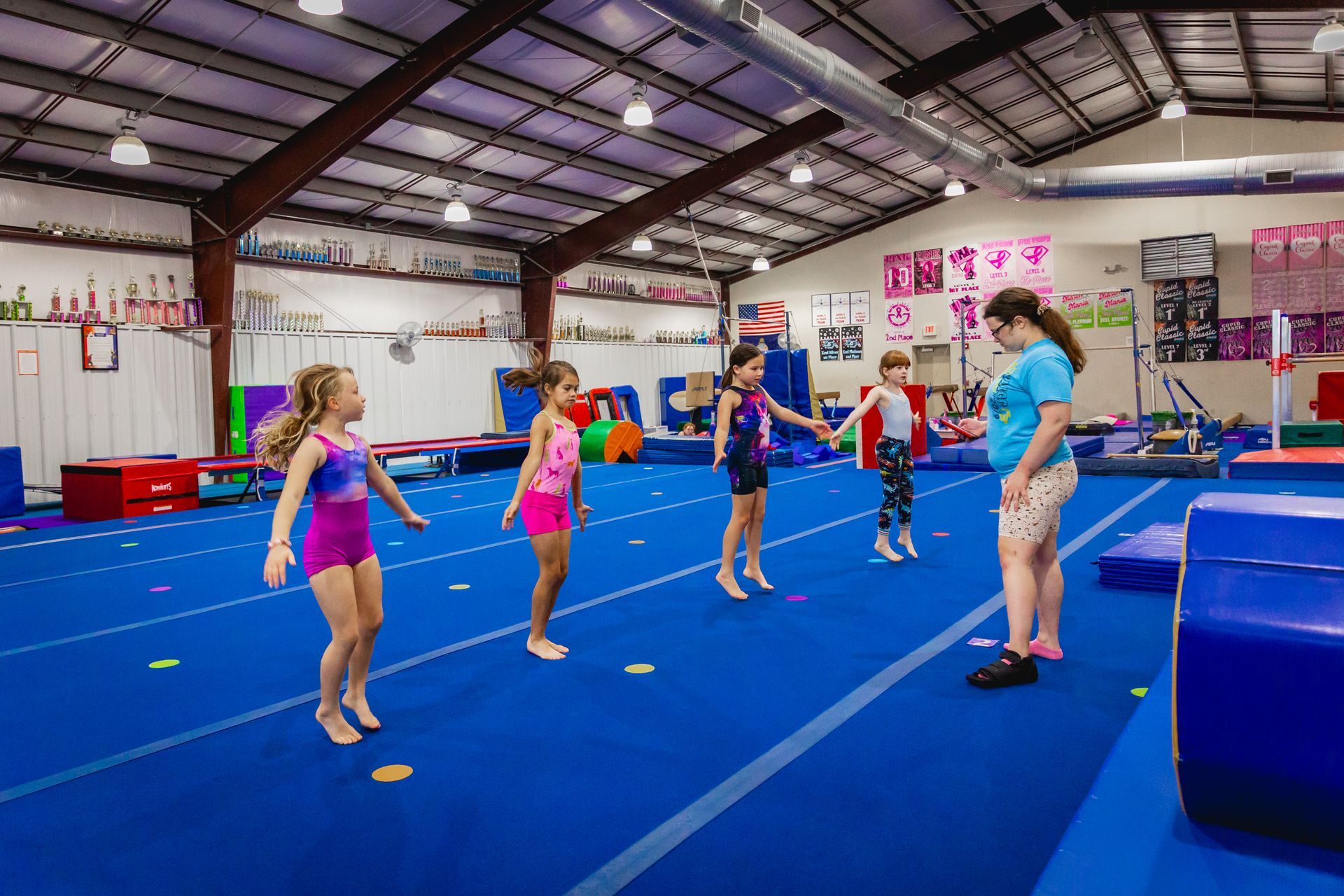
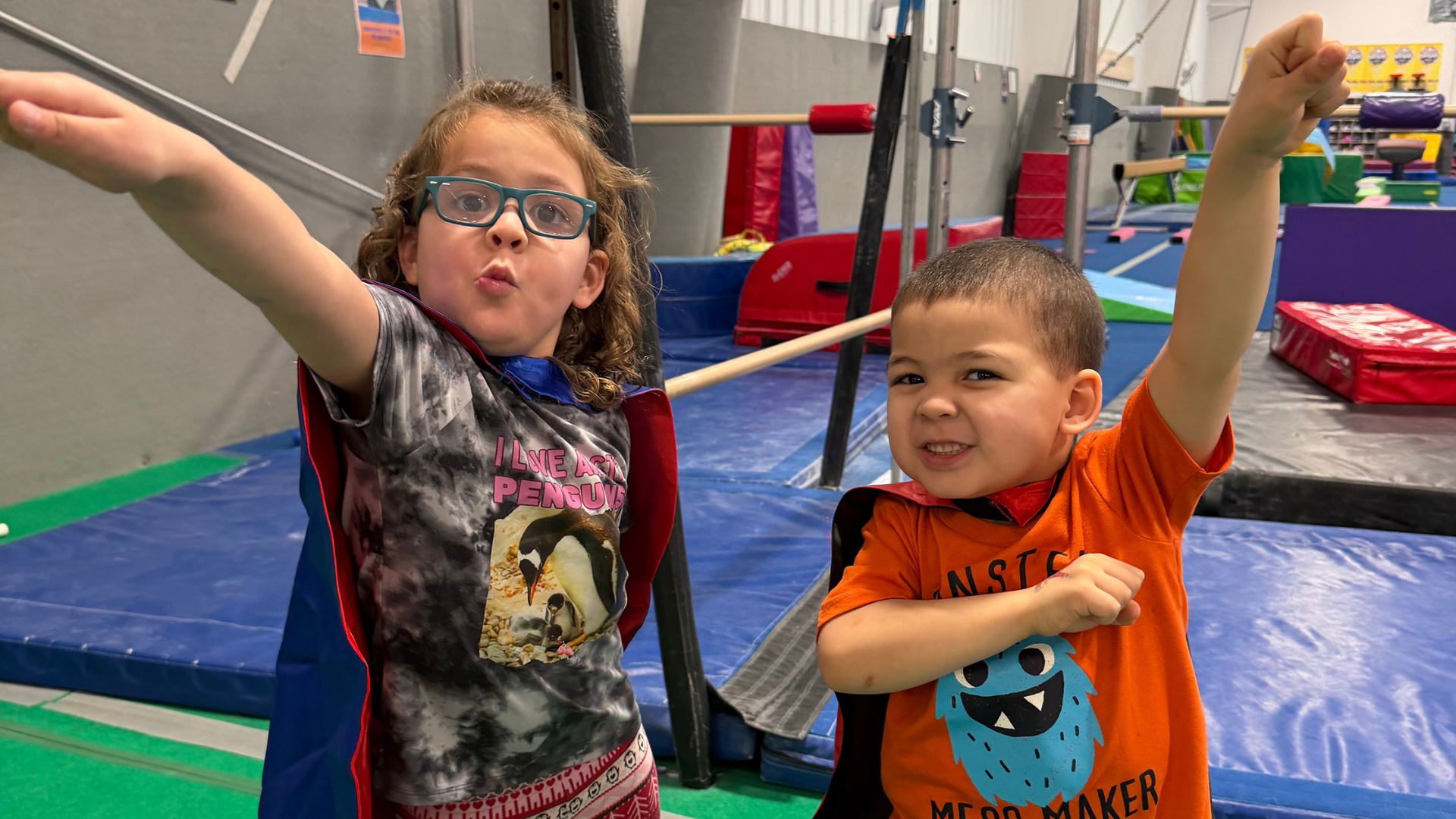
For example, in a gymnastics class, younger athletes may watch classmates successfully complete a cartwheel or balance beam skill before trying it themselves. This type of observational learning helps children:
- Understand expectations
- Improve body awareness
- Build confidence
- Reduce fear of trying something new
Researchers at Harvard University’s Center on the Developing Child emphasize that children learn best through responsive relationships and interactive experiences.
Group settings naturally create these opportunities.
Group Environments Increase Motivation
Children often become more motivated when they see peers working toward the same goal. Positive peer energy creates excitement and engagement that individual learning environments may not provide.
In group classes, kids are encouraged by:
- Seeing classmates succeed
- Celebrating shared accomplishments
- Participating in team challenges
- Receiving recognition alongside peers
This healthy motivation can lead children to practice harder, stay more focused, and persist longer when learning difficult skills.
At
Pinnacle Gymnastics, group classes create a fun, energetic atmosphere where kids encourage one another while still progressing at their own pace.
Social Interaction Strengthens Learning
Another reason why kids learn faster in group settings is that communication strengthens memory and understanding.
When children interact with peers, they practice:
- Listening skills
- Verbal communication
- Cooperation
- Conflict resolution
- Patience
- Empathy
According to Edutopia, collaborative learning improves both academic performance and social-emotional development.
As children explain ideas, ask questions, and support one another, they deepen their understanding of concepts and build stronger long-term retention.
Group Learning Builds Confidence
Confidence is one of the most important factors in a child’s ability to learn new skills. Group environments help children develop confidence through repetition, encouragement, and social belonging.
When kids realize that others are also learning, making mistakes, and improving over time, they become less afraid of failure.
Instructors can also use group settings to:
- Celebrate effort
- Encourage teamwork
- Normalize mistakes
- Promote resilience
These experiences help children become more willing to take risks and try challenging skills.
Programs like those at
Pinnacle Gymnastics are designed to create positive, supportive learning environments where children feel safe to grow.
Healthy Competition Encourages Growth
Competition is not always negative. In fact, age-appropriate competition can encourage children to push themselves and stay engaged.
When kids see classmates improving, they often become inspired to work harder themselves.
Healthy competition in group settings can:
- Increase focus
- Improve persistence
- Encourage goal-setting
- Promote accountability
- Teach sportsmanship
The key is ensuring the environment remains encouraging rather than overly pressured.
Organizations like the
YMCA highlight the importance of positive youth programs that emphasize personal growth alongside teamwork and achievement.
Group Activities Help Kids Develop Independence
Ironically, learning in groups often helps children become more independent.
In a group setting, children learn to:
- Follow directions without constant parent assistance
- Solve problems on their own
- Manage transitions
- Take turns
- Advocate for themselves
These experiences build self-confidence and responsibility, both of which contribute to faster long-term learning.
This is especially important for younger children entering preschool, sports programs, or extracurricular activities for the first time.
Physical Activities Are Especially Effective in Group Settings
Movement-based programs such as gymnastics, dance, ninja classes, and recreational sports are excellent examples of why kids learn faster in group settings.
Physical group activities combine:
- Visual learning
- Verbal instruction
- Social interaction
- Repetition
- Motivation
- Immediate feedback
This multi-sensory learning experience helps children absorb information more quickly and apply it more effectively.
According to the
Centers for Disease Control and Prevention, physical activity also improves concentration, memory, and emotional well-being in children.
How Parents Can Support Group Learning
Parents play an important role in helping children benefit from group environments.
Here are a few ways to encourage success:
- Choose the Right Program - Look for programs that balance structure, encouragement, and fun. Positive group environments should help children feel included and supported.
- Encourage Consistency - Children learn best through repetition and routine. Attending classes consistently helps kids build familiarity and confidence.
- Focus on Progress, Not Perfection - Celebrate effort, growth, and participation rather than comparing children to others.
- Encourage Friendships - Building relationships with peers increases comfort levels and makes children more excited to participate.
Why Group Learning Matters Long-Term
The benefits of group learning extend far beyond childhood.
Children who learn effectively in group settings often develop:
- Better communication skills
- Stronger teamwork abilities
- Increased adaptability
- Greater emotional intelligence
- Improved leadership skills
- Higher confidence levels
These are essential life skills that support success in school, athletics, relationships, and future careers.
By participating in positive group environments early in life, children gain valuable experiences that continue benefiting them for years.
Final Thoughts on Why Kids Learn Faster in Group Settings
So, why do kids learn faster in group settings?
Because group environments combine social interaction, observation, motivation, communication, and emotional support into one powerful learning experience.
Whether children are learning academic concepts, athletic skills, or social behaviors, they often progress faster when surrounded by supportive peers and experienced instructors.
At Pinnacle Gymnastics, we believe children learn best when they feel encouraged, challenged, and connected to others. Group classes help kids grow not only physically, but emotionally and socially as well.
If you’re looking for a positive environment where your child can build confidence, friendships, and lifelong skills, explore the programs available at www.pinngym.com.
Pinnacle in 3-D: Coaching, Development, and Success