
5 Ways to Encourage Kindness in Youth Athletes
Youth sports provide one of the best environments for teaching character. While athletes learn skills like strength, coordination, and strategy, they are also developing values that can last a lifetime. Among the most important of these values is kindness.
Kindness in youth sports means more than simply being “nice.” It includes supporting teammates, showing respect to coaches and officials, helping struggling teammates, and demonstrating good sportsmanship with opponents. Research in developmental psychology shows that kindness is part of a broader category called prosocial behavior—actions intended to benefit others through empathy, cooperation, and respect.
When coaches, parents, and organizations intentionally encourage kindness, they help create a culture where athletes thrive both emotionally and socially. Below are five powerful ways to encourage kindness in youth athletes, along with practical strategies that can be applied in any sport.
1. Model Kindness Through Coaching Behavior
Young athletes learn far more from what adults do than from what they say. Coaches who demonstrate respect, patience, and encouragement create a powerful example that athletes naturally imitate.
Research shows that children’s prosocial behaviors often develop through observation and social interaction with role models. When athletes regularly see adults treating others with kindness, they internalize those behaviors.
Practical examples
- Praise effort and teamwork instead of only celebrating individual performance.
- Speak respectfully about opponents, referees, and other teams.
- Encourage athletes after mistakes rather than criticizing them.
- Show empathy when a player is frustrated or struggling.
Example:
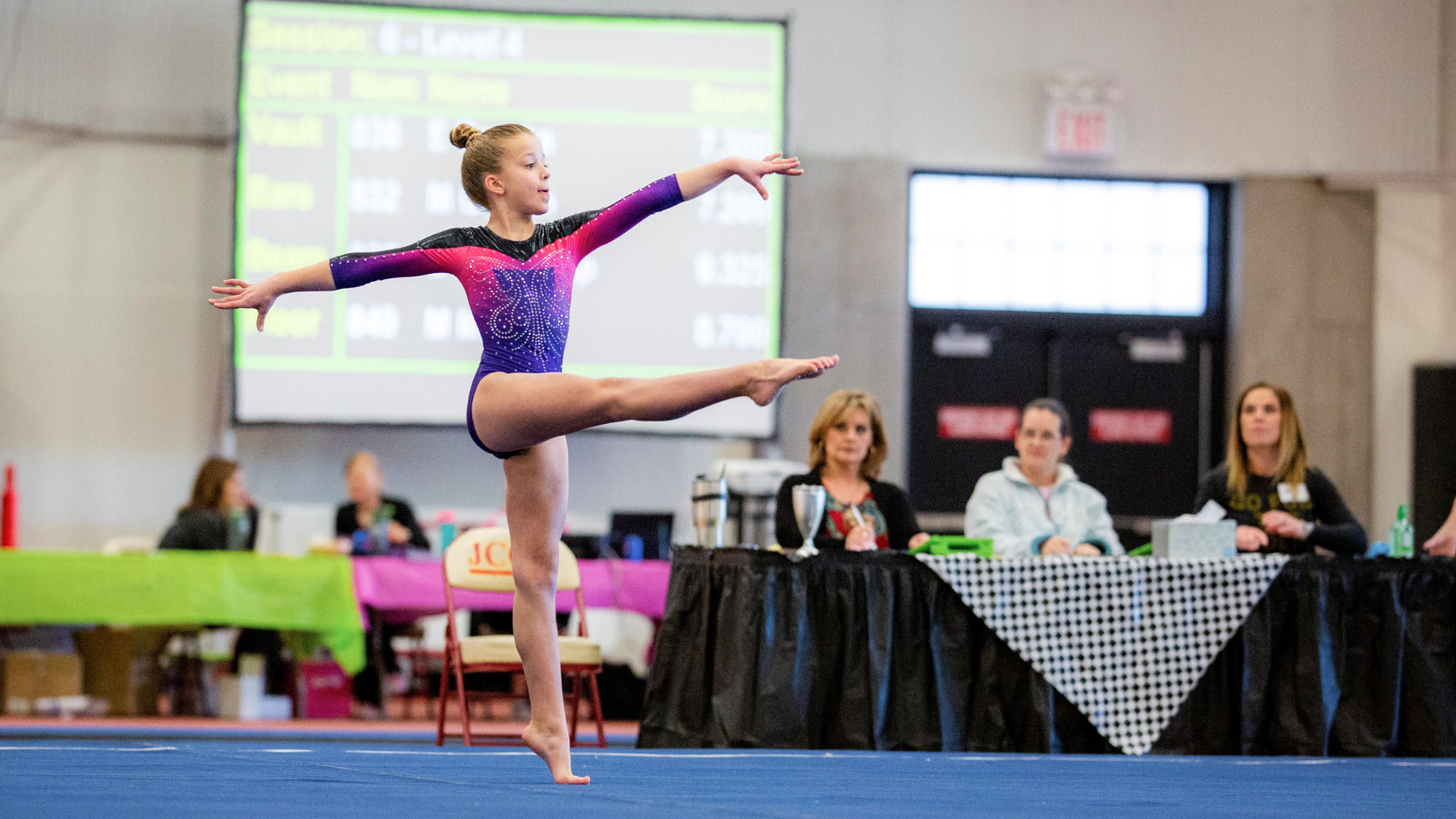
A coach notices a gymnast who fell during a routine. Instead of focusing on the mistake, the coach highlights her courage for trying a new skill and encourages teammates to cheer for her effort.
When kindness is modeled consistently, it becomes part of the team culture.
2. Build Team Traditions That Reward Kindness
Recognition shapes behavior. When athletes see kindness celebrated, they begin to view it as just as important as scoring points or winning competitions.
Many teams successfully encourage kindness through simple traditions that highlight positive behavior.
Practical ideas
- Kindness Athlete of the Week: Recognize athletes who help teammates or show exceptional sportsmanship.
- Compliment Circles: At the end of practice, athletes share something positive about a teammate.
- Team Kindness Challenges: Each athlete completes one helpful act during practice.
Studies show that when children intentionally perform acts of kindness, they experience increased well-being and improved peer relationships.
Example:
A soccer team starts a weekly tradition where players nominate a teammate who helped them during practice. The chosen athlete receives a small wristband or sticker for the week.
These rituals reinforce the message that kindness is valued.
3. Teach Athletes to Celebrate Teammates
Competition can sometimes create comparison and jealousy among athletes. Teaching athletes to celebrate the success of others builds empathy and strengthens team relationships.
Kindness is closely tied to empathy and emotional awareness—two skills that develop through social experiences and supportive environments.
Ways to encourage this
- Teach athletes to cheer loudly for teammates during routines or games.
- Encourage high-fives, fist bumps, and supportive comments.
- Practice “team applause” after routines or drills.
- Highlight moments when athletes help each other improve.
Example:
During a dance class, athletes are encouraged to clap and celebrate whenever someone masters a new skill. The result is a supportive environment where everyone feels valued.
When athletes learn to celebrate others, they begin to see teammates as partners rather than competitors.
4. Encourage Leadership Through Helping
Kindness often grows when athletes are given responsibility to help others. Leadership opportunities teach athletes that their actions can positively influence the team.
Research suggests that children often judge kindness based on how much an action helps someone else. When athletes see the direct benefit of helping teammates, kindness becomes more meaningful.
Leadership opportunities
- Pair experienced athletes with beginners as mentors.
- Assign athletes to help set up equipment or assist younger classes.
- Encourage older athletes to demonstrate skills for the team.
- Create small leadership roles during practice.
Example:
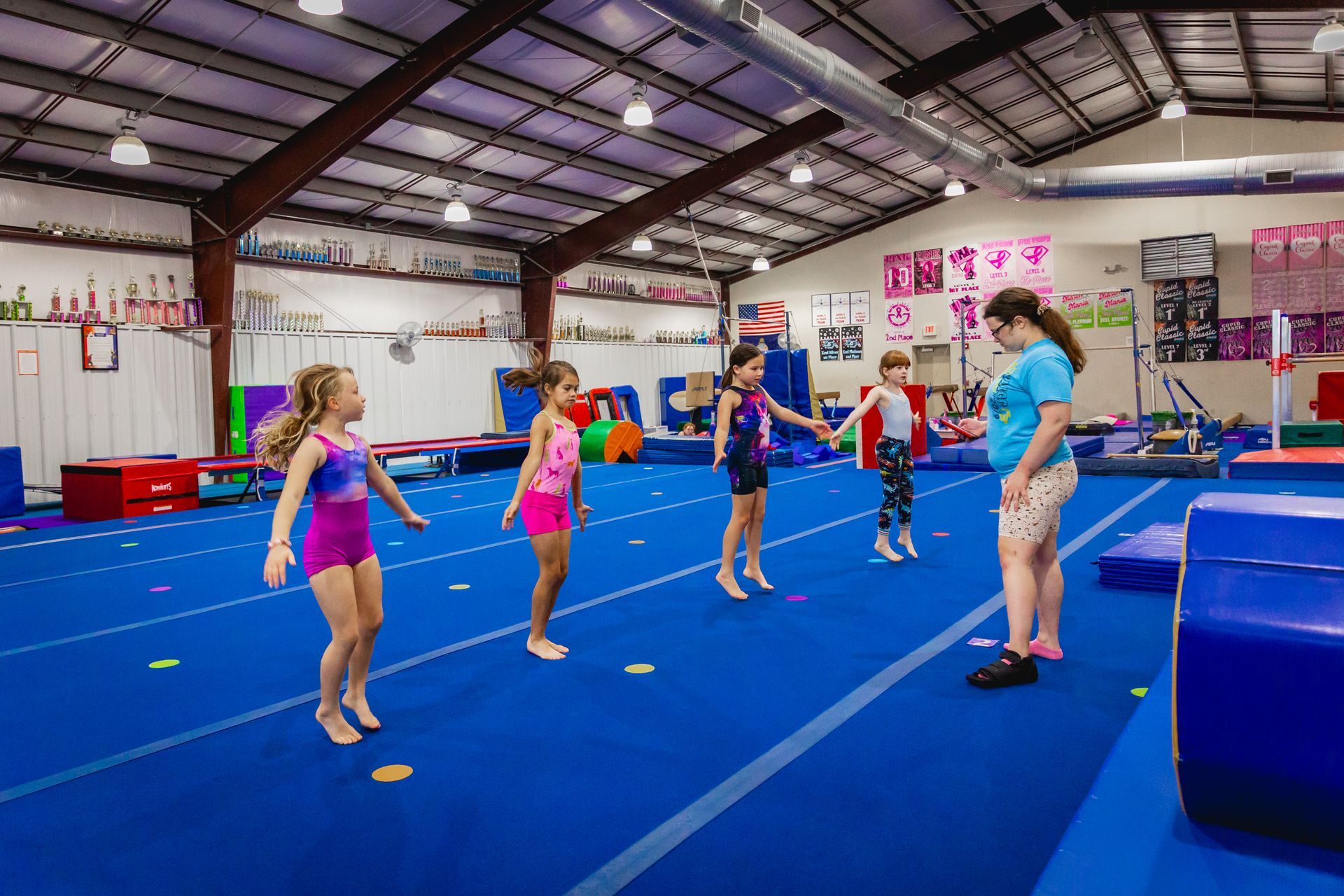
A senior ninja athlete helps younger students learn how to safely navigate an obstacle course. The younger athletes gain confidence, while the older athlete develops empathy and leadership skills.
Helping others transforms kindness from an idea into an action.
5. Teach Respect for Opponents and Officials
True sportsmanship includes kindness toward people outside the team. Youth athletes should learn that opponents and officials deserve respect regardless of the outcome of a competition.
Practical strategies
- Shake hands with opponents before and after competitions.
- Encourage athletes to thank officials and judges.
- Teach athletes to congratulate competitors who perform well.
- Discuss how opponents help everyone improve.
Example:
After a gymnastics meet, athletes are encouraged to congratulate athletes from other teams who performed strong routines. This reinforces respect and humility.
When athletes understand that competition can coexist with kindness, they develop a healthier relationship with sports.
The Science of Kindness
Kindness is not just a moral value—it is supported by science. Research in psychology and neuroscience shows that kindness improves both emotional well-being and social connection.
Studies have found that engaging in acts of kindness can increase happiness, peer acceptance, and overall well-being in children. In addition, kindness training programs have been shown to improve empathy and resilience in both children and parents.
Scientists describe kindness as a form of prosocial behavior, which includes actions motivated by empathy and concern for others. These behaviors strengthen relationships and help children build positive social environments.
In youth sports, this science is especially important. Teams that prioritize kindness often experience:
- Stronger team cohesion
- Improved athlete confidence
- Better communication
- Reduced bullying or exclusion
- Greater enjoyment of the sport
Kindness, in many ways, becomes the social glue that holds teams together.
How Parents Can Support Kindness in Youth Sports
Parents play a crucial role in shaping the culture of youth athletics. The way parents talk about sports often influences how children treat teammates, coaches, and competitors.
Here are a few ways parents can reinforce kindness:
Focus on character over results
Ask questions like:
- “Who did you encourage today?”
- “Did you help a teammate learn something new?”
This shifts the conversation away from wins and losses.
Model respectful behavior
Children observe how parents behave at games and competitions. Speaking respectfully about coaches, officials, and other athletes reinforces positive values.
Celebrate effort and teamwork
Praise moments when your child supports teammates or demonstrates sportsmanship.
Encourage empathy
If a teammate struggles, ask your child how they might help or encourage them next practice.
When parents and coaches work together to emphasize kindness, youth sports become a powerful environment for character development.
Final Thoughts
Teaching kindness in youth sports is not a distraction from performance—it is a foundation for long-term success. Athletes who learn empathy, respect, and encouragement develop stronger relationships and healthier attitudes toward competition.
By modeling positive behavior, celebrating kindness, encouraging teamwork, and involving parents in the process, coaches can build teams where athletes feel valued and supported.
In the end, the goal of youth sports should extend beyond medals and scoreboards. It should help young athletes grow into confident, compassionate individuals who lift others up both on and off the field.
Read More:
Pinnacle in 3-D: Coaching, Development, and Success