
Preschool Tumbling: Structure, Benefits and More!
What is Preschool Tumbling?
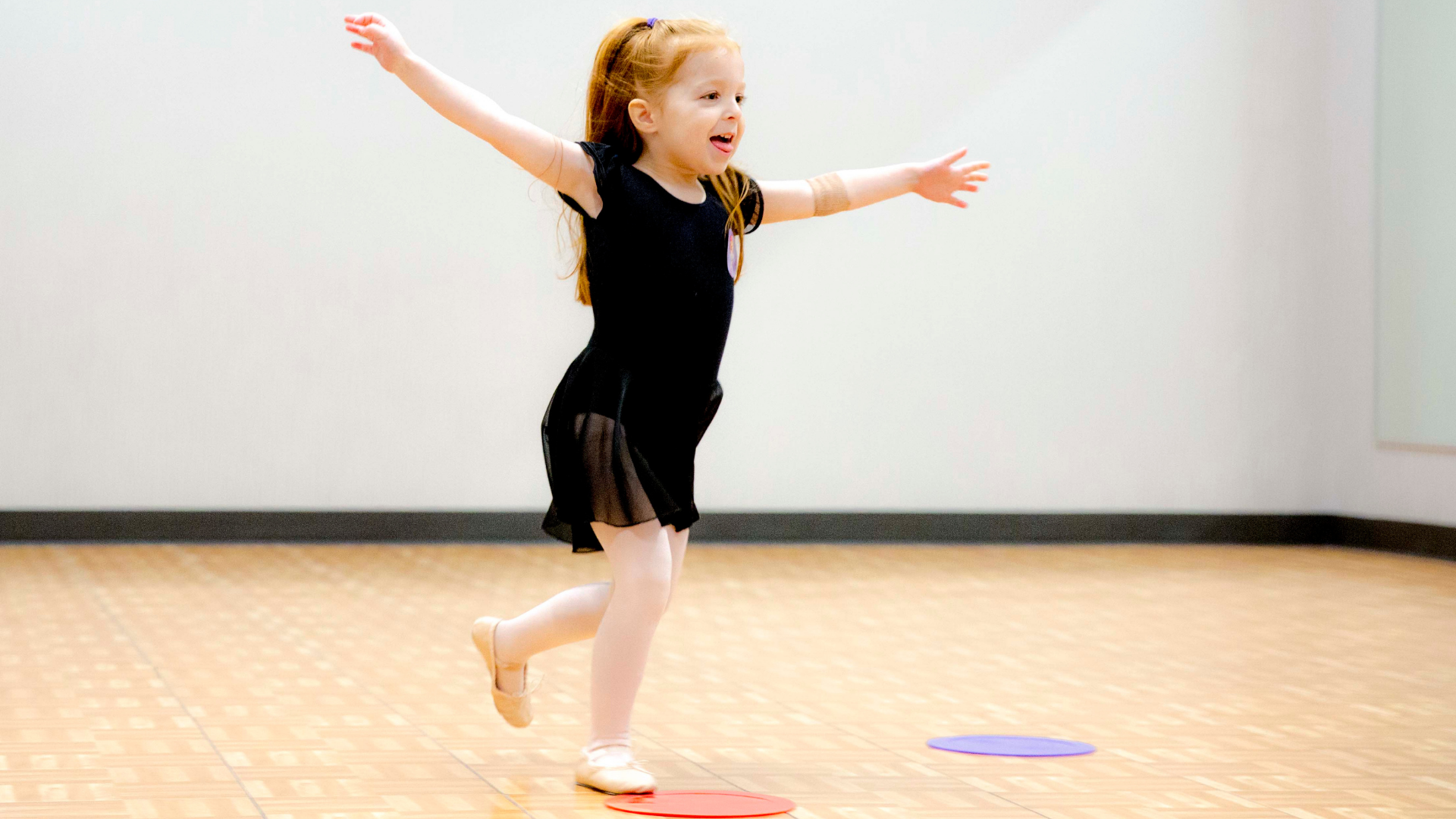
Preschool tumbling is a fantastic way for young children to develop essential physical skills in a fun and engaging environment. It includes a variety of exercises that are age-appropriate and tailored to help preschoolers build strength, balance, and coordination. Activities like rolls, handstands, and cartwheels not only teach gymnastic techniques but also lay the foundation for motor development and confidence. From the moment little ones step into the gym, they’re greeted with an exciting warm-up that’s designed to boost their energy levels and keep their spirits high. One of the most popular warm-up activities among preschoolers, especially boys, involves creatively building and then knocking down towering structures made of soft pit blocks. This playful exercise gets their imaginations flowing while also providing an early introduction to basic body movements and spatial awareness.
After the warm-up, children transition into a delightful stretching segment. During this time, preschoolers are encouraged to use their imaginations, which makes the stretching routine more exciting and engaging. They might envision themselves as butterflies fluttering through the air, or pretend to make peanut butter and jelly sandwiches while holding a pike stretch. They can even pretend to be pancakes during a straddle stretch, adding an extra element of fun and creativity. These activities not only enhance flexibility and strength but also encourage young learners to think outside the box while improving their physical skills.
Stations and Preschool Tumbling Equipment
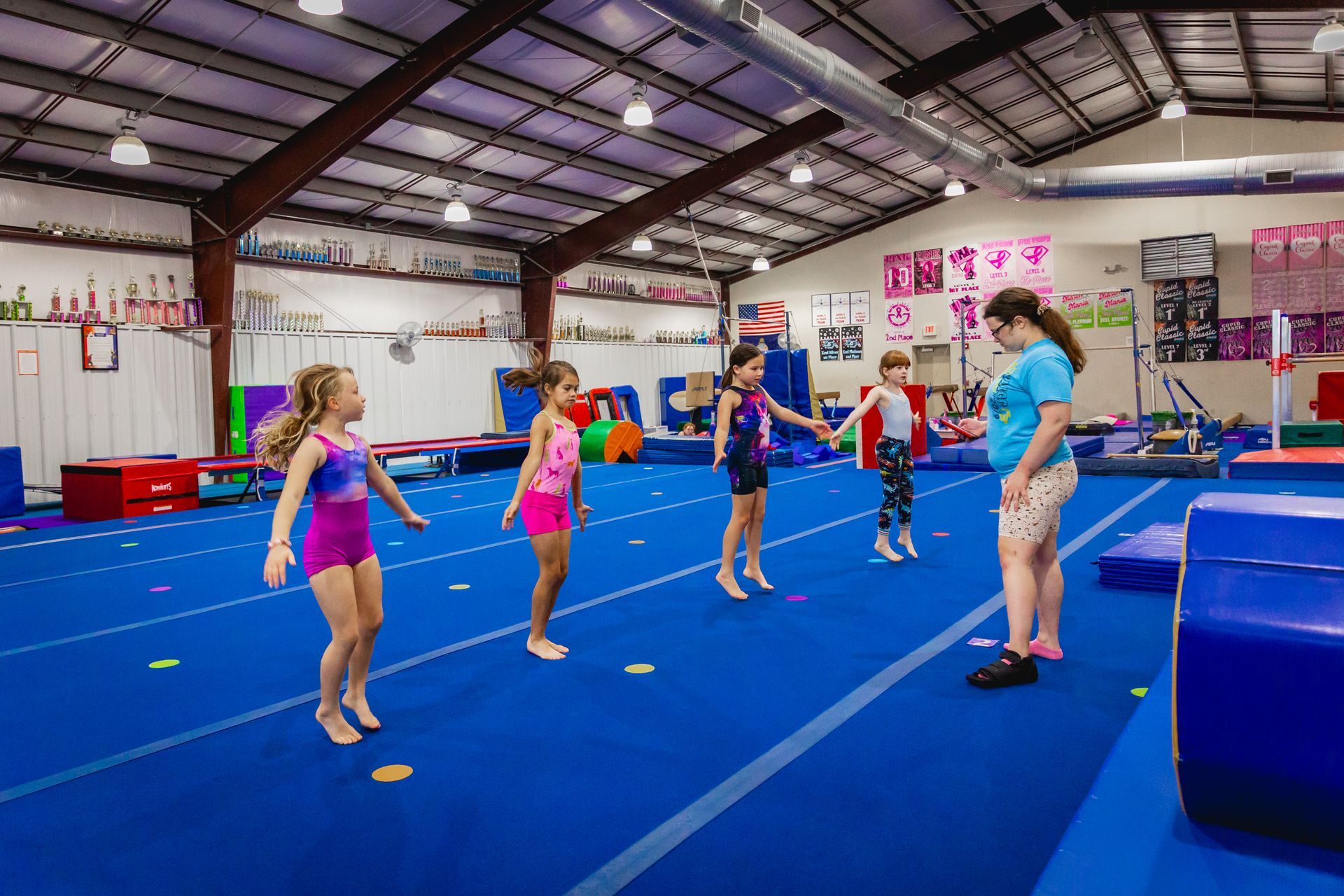
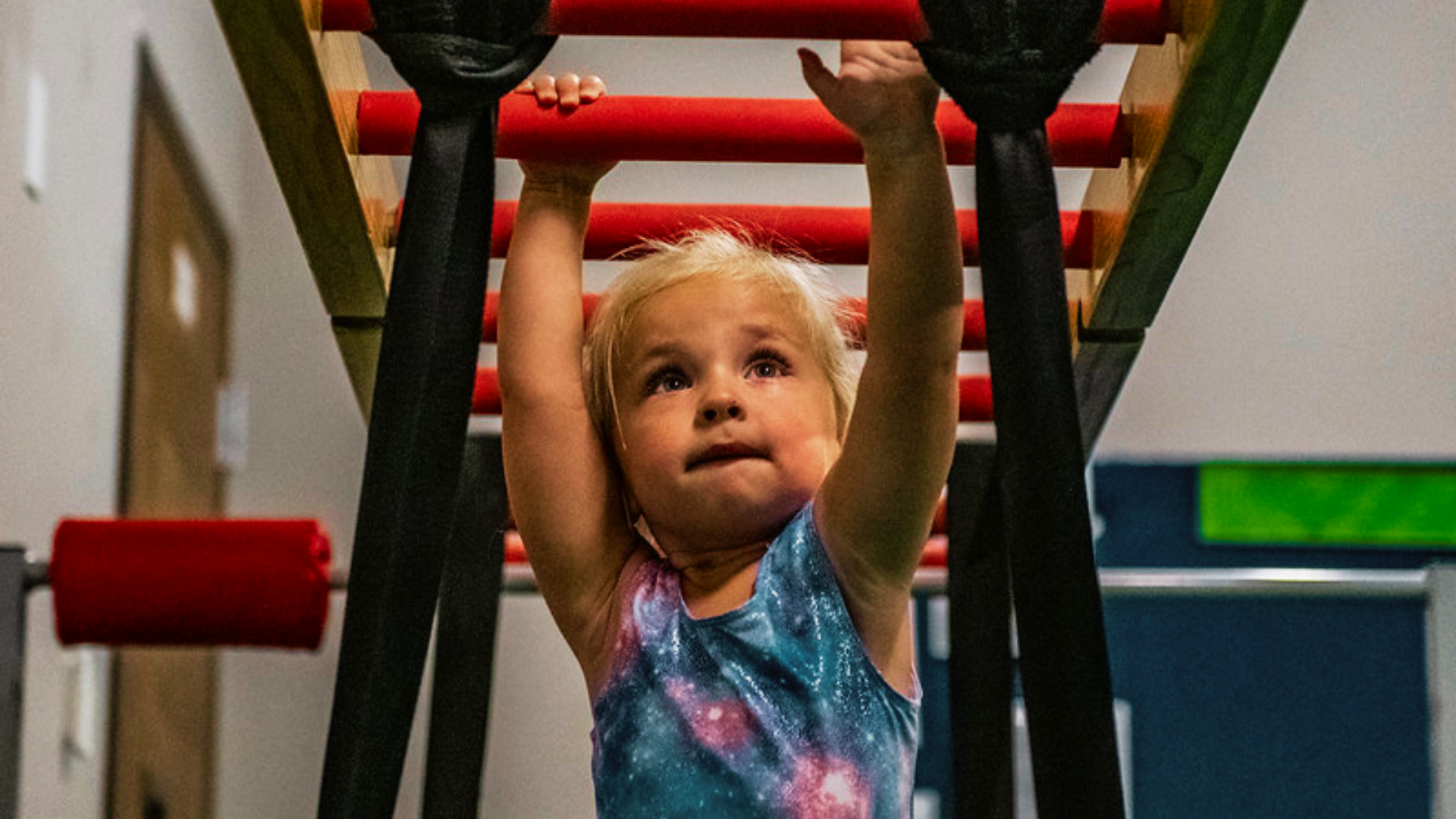
One of the most exciting aspects of preschool tumbling is the opportunity for children to participate in various stations throughout the gym. Each station is designed to engage kids with different tumbling skills, allowing them to practice and perfect basic movements at their own pace. Typically, preschoolers can experience up to 10 unique stations within the designated preschool area. This ensures that every child has multiple opportunities to practice skills, gain confidence, and develop physical coordination.
The stations incorporate age-appropriate equipment, like mini-fitness wheels and soft mats, to help kids learn while having fun. The equipment is carefully chosen to ensure that activities are both safe and effective for young learners. After tumbling stations, children are given time to cool down with activities that help transition them from high-energy play into a more relaxed state. Fun games like the mat flip challenge, rolling in the barrel, or bouncing on the trampoline provide a perfect way to finish off a tumbling session while reinforcing the motor skills they've just practiced. Through these varied activities, children not only build their tumbling techniques but also develop a well-rounded sense of physical awareness.
Body Awareness for Preschoolers
In addition to learning specific tumbling skills, preschool tumbling plays a significant role in fostering body awareness and coordination. Preschoolers are naturally active, and tumbling encourages them to explore their bodies in new and exciting ways. Many tumbling exercises involve upside-down positions—such as handstands or rolls—which help children develop balance and control over their movements. By learning to maneuver their bodies in these positions, they gain a sense of spatial awareness that will benefit them in other physical activities.
Furthermore, preschool tumbling offers more than just physical benefits. It helps children become aware of their bodies’ strengths, limitations, and potential. This awareness allows them to develop better coordination and agility, which will serve them well as they grow. As they move through each skill, children also learn how to listen to their bodies and understand what movements feel good or require extra effort.
Preschool Tumbling Encourages Social Development
Tumbling classes also provide an invaluable opportunity for preschoolers to develop social skills in a supportive and structured environment. While they’re building strength and learning gymnastics techniques, they’re also practicing important social skills like taking turns, listening to instructions, and working with others. Many tumbling activities, like crawling through tunnels or jumping on trampolines, are done in groups, encouraging teamwork and communication among children.
By participating in these group activities, children are exposed to positive peer interactions and gain confidence in their ability to cooperate with others. This social aspect of preschool tumbling helps children learn how to share, take turns, and celebrate each other’s successes in a positive and non-competitive atmosphere. These early experiences contribute to their emotional development and help them become more comfortable in group settings, whether at school or during extracurricular activities.
Conclusion
Preschool tumbling is a holistic approach to early childhood development, offering both physical and emotional benefits for young children. Whether your child is mastering their first cartwheel or just beginning to explore their physical abilities, preschool tumbling provides a fun and supportive environment for growth. At Pinnacle Gymnastics, we’re proud to offer a safe, enriching space for your child to learn, play, and thrive. With our experienced coaches, tailored lesson plans, and specialized equipment, every class is designed to foster growth in a fun, engaging way. We believe in empowering every child to reach their full potential, both physically and mentally. Join us at Pinnacle, where the journey to greatness begins and the fun never ends!
Pinnacle in 3-D: Coaching, Development, and Success