
The Benefits of Gymnastics for Preschoolers
Gymnastics is much more than learning how to tumble, balance, and jump. For preschoolers, gymnastics provides an opportunity to develop important physical, cognitive, and social skills that support children both inside and outside the gym.
The benefits of gymnastics for preschoolers include improved strength and coordination, better body awareness, fine motor development, listening skills, and skills that help prepare children for kindergarten. Through age-appropriate gymnastics activities, young children can build a strong foundation for lifelong movement and learning.
1. Builds Grip Strength for Pencil Control
One of the lesser-known benefits of gymnastics for preschoolers is the development of grip strength and hand strength.
Gymnastics activities such as hanging from bars, supporting body weight on hands, climbing, gripping equipment, and manipulating objects require children to use the muscles in their hands and fingers. Developing these muscles can support the fine motor skills children need for everyday tasks.
Strong hands and fingers are especially important as children prepare to learn how to write. A good foundation of hand strength can help preschoolers develop the control needed for an appropriate pencil grip, coloring, cutting with scissors, opening containers, and other classroom activities.
While gymnastics doesn't teach children how to hold a pencil, the strength and coordination developed through gymnastics can help prepare their hands for these important kindergarten skills.
2. Develops Muscles and Core Strength
Preschool gymnastics is an excellent way for young children to develop overall muscular strength.
Climbing, swinging, jumping, balancing, crawling, hanging, and supporting their body weight all require children to engage different muscle groups. Gymnastics especially helps develop core strength, which is important for stability, posture, balance, and body control.
A strong core gives children a stable foundation for movement. It can help them maintain their balance while walking, running, jumping, and participating in other activities.
Because preschool gymnastics uses a child's whole body, it provides opportunities to develop strength in the arms, legs, back, and abdominal muscles in a fun and age-appropriate environment.
3. Improves Coordination and Crossing the Midline
Another important benefit of gymnastics for preschoolers is improved coordination and body awareness.
Children are constantly learning where their bodies are in space. Gymnastics gives them opportunities to practice moving their arms and legs together, changing directions, balancing, and coordinating movements.
Gymnastics can also help children practice crossing the midline. Crossing the midline means moving one side of the body across the imaginary line that divides the body into right and left sides.
For example, reaching across the body to touch an opposite foot or moving one hand across the body during an activity encourages children to coordinate both sides of their bodies.
Crossing the midline is an important developmental skill because children use it during many everyday activities, including writing, drawing, reading, getting dressed, and participating in sports and games.
Why Is Crossing the Midline Important?
Crossing the midline is an important developmental skill because it helps children learn to use both sides of their bodies together in a coordinated way. This ability supports everyday activities such as writing, drawing, reading, getting dressed, and using utensils. When children can comfortably reach across the center of their body, they are practicing the coordination, communication, and body awareness needed for many fine and gross motor skills. Activities that encourage crossing the midline, such as reaching across the body, touching opposite hands to feet, or performing movements that use both sides of the body, give preschoolers valuable opportunities to strengthen these foundational skills while they play and move.
4. Strengthens Feet and Supports Walking Skills
Preschool gymnastics also gives children opportunities to develop strength and awareness in their feet and ankles.
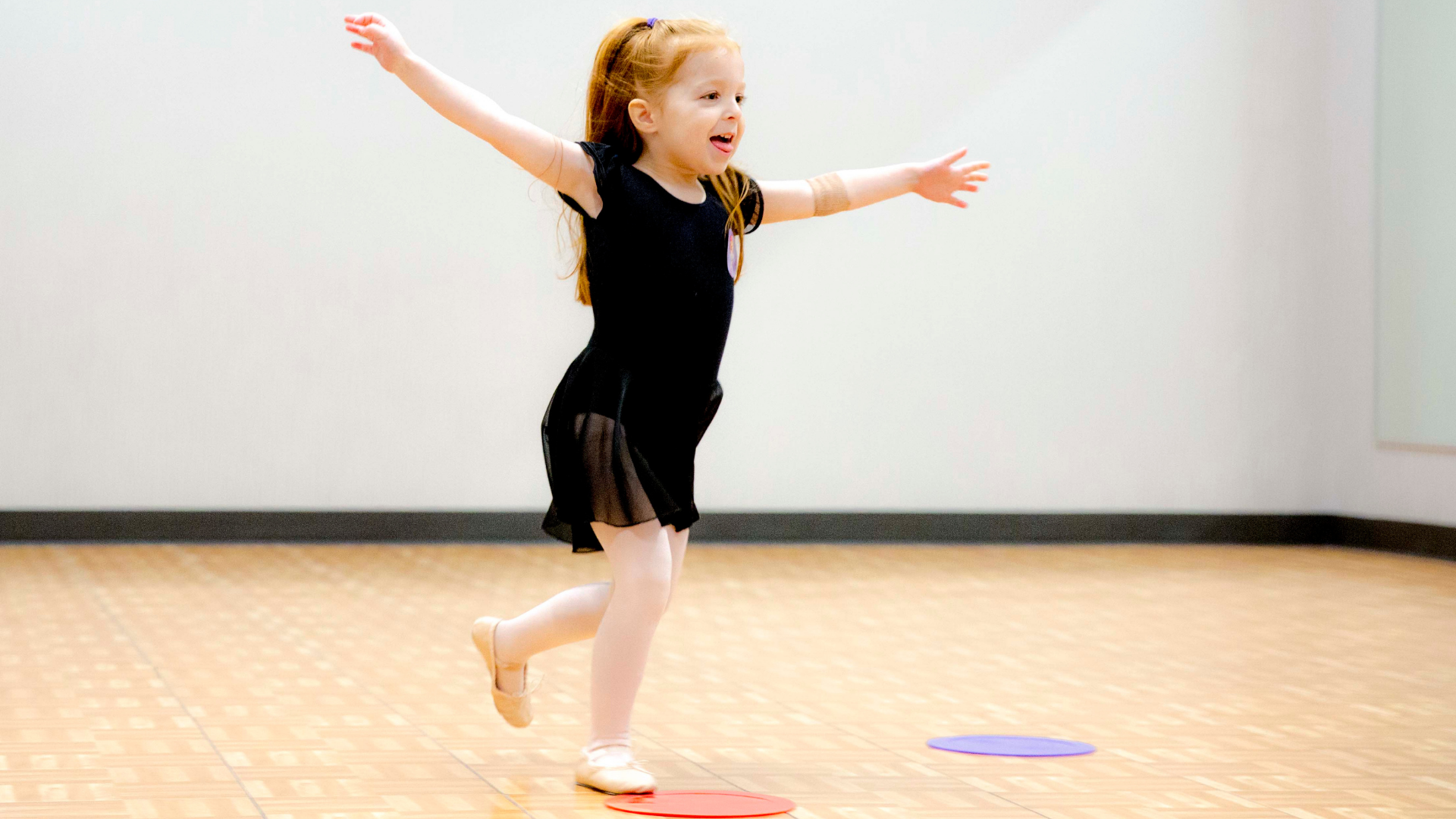
Activities that encourage children to flex and point their toes help them become more aware of how their feet move. These movements can contribute to developing foot and ankle strength, coordination, and control.
Young children are still developing their walking, running, jumping, and balance skills. Learning how to control their feet and toes gives them additional opportunities to practice the movements they use every day.
From walking across a balance beam to jumping from one spot to another, gymnastics encourages children to think about how their feet are positioned and how their bodies move.
5. Teaches Children to Follow Directions
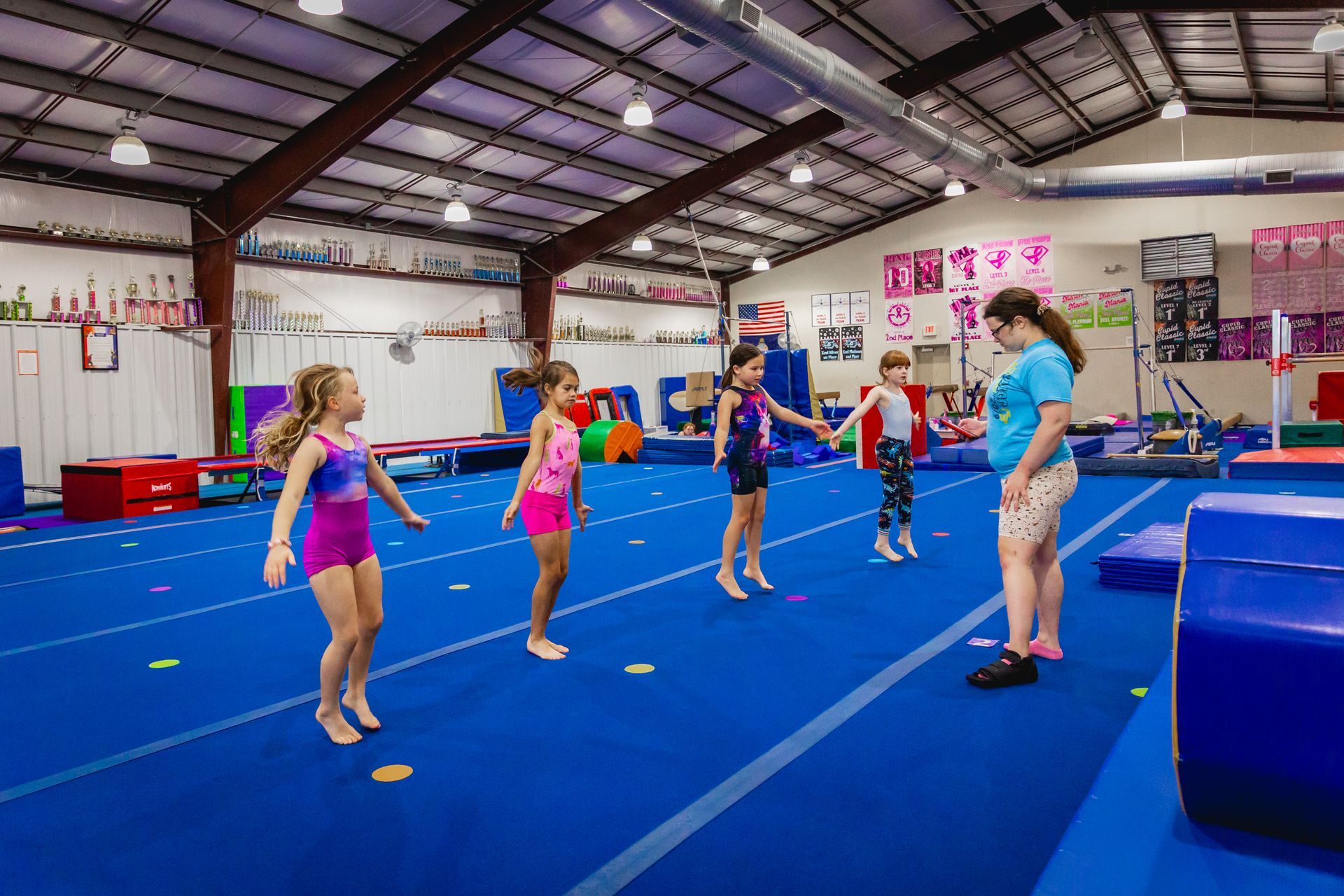
Preschool gymnastics is also a great environment for developing listening skills and following directions.
During a gymnastics class, children may be asked to listen to an instructor and then complete a specific movement or activity. They might need to wait for their turn, move to a particular station, follow a sequence of movements, or respond to a verbal cue.
These seemingly simple activities help preschoolers practice important classroom behaviors:
- Listening to an adult
- Following one- and two-step directions
- Waiting for a turn
- Paying attention to instructions
- Transitioning between activities
- Following classroom routines
- Participating as part of a group
These skills become increasingly important as children transition into kindergarten.
6. Reinforces Kindergarten Readiness Skills
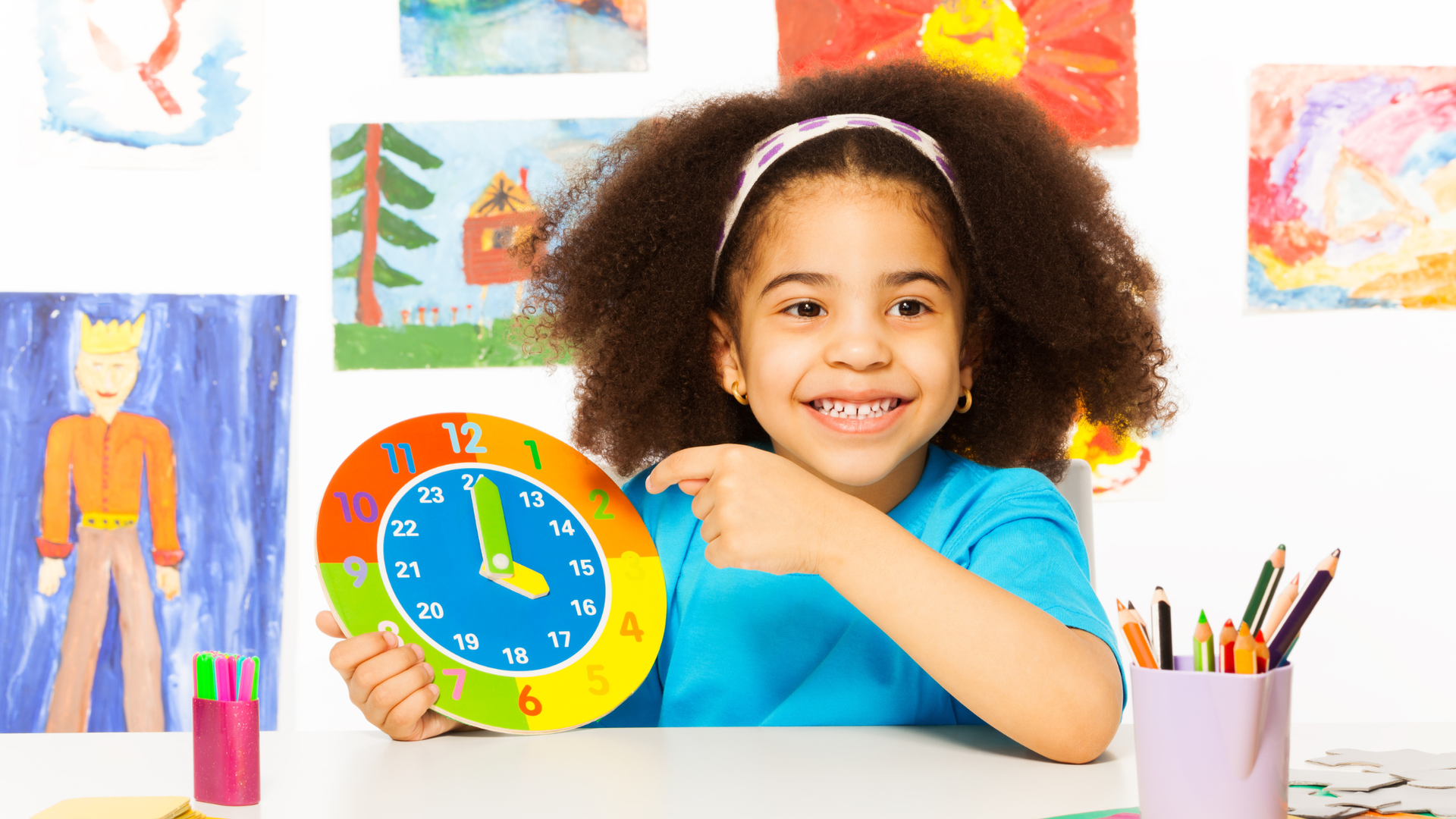
One of the biggest benefits of gymnastics for preschoolers is that learning doesn't stop with physical development. A well-designed preschool gymnastics class can reinforce many of the early academic concepts children encounter before and during kindergarten.
Numbers 1–20
Gymnastics provides natural opportunities to practice counting from 1–20.
Children might count jumps, steps, repetitions, or objects. Counting while moving makes numbers interactive and gives children a chance to practice number recognition and sequencing in a fun environment.
Colors
Preschool gymnastics equipment often comes in a variety of colors, giving instructors opportunities to reinforce color recognition.
Children may be asked to move to a certain color mat, find a particular colored object, or identify the color of the equipment they are using.
Shapes
Gymnastics activities can also reinforce shape recognition. Children may identify circles, squares, triangles, rectangles, and other shapes during activities or while moving through the gym.
Connecting shapes to movement helps children experience these concepts rather than simply seeing them on a worksheet.
Letters
Preschool gymnastics can incorporate letter recognition through games, stations, and movement activities. Children may identify letters, find a specific letter, or participate in activities connected to letter sounds and recognition.
These activities provide another opportunity to reinforce concepts children are learning at home and in preschool.
Sequencing
Gymnastics can also help preschoolers develop early sequencing and pattern-recognition skills. As children move through activities, they can practice identifying and repeating patterns, such as jump, clap, jump, clap or red, blue, red, blue. Recognizing what comes next helps children develop memory, attention, logical thinking, and problem-solving skills. These foundational skills support early math and literacy development and help prepare children for kindergarten, where recognizing patterns and understanding sequences are important parts of learning.
Sequencing is an important skill for early learning because children use it to understand routines, tell stories, follow multi-step directions, and eventually organize information for reading and writing.
7. Builds Confidence and Independence
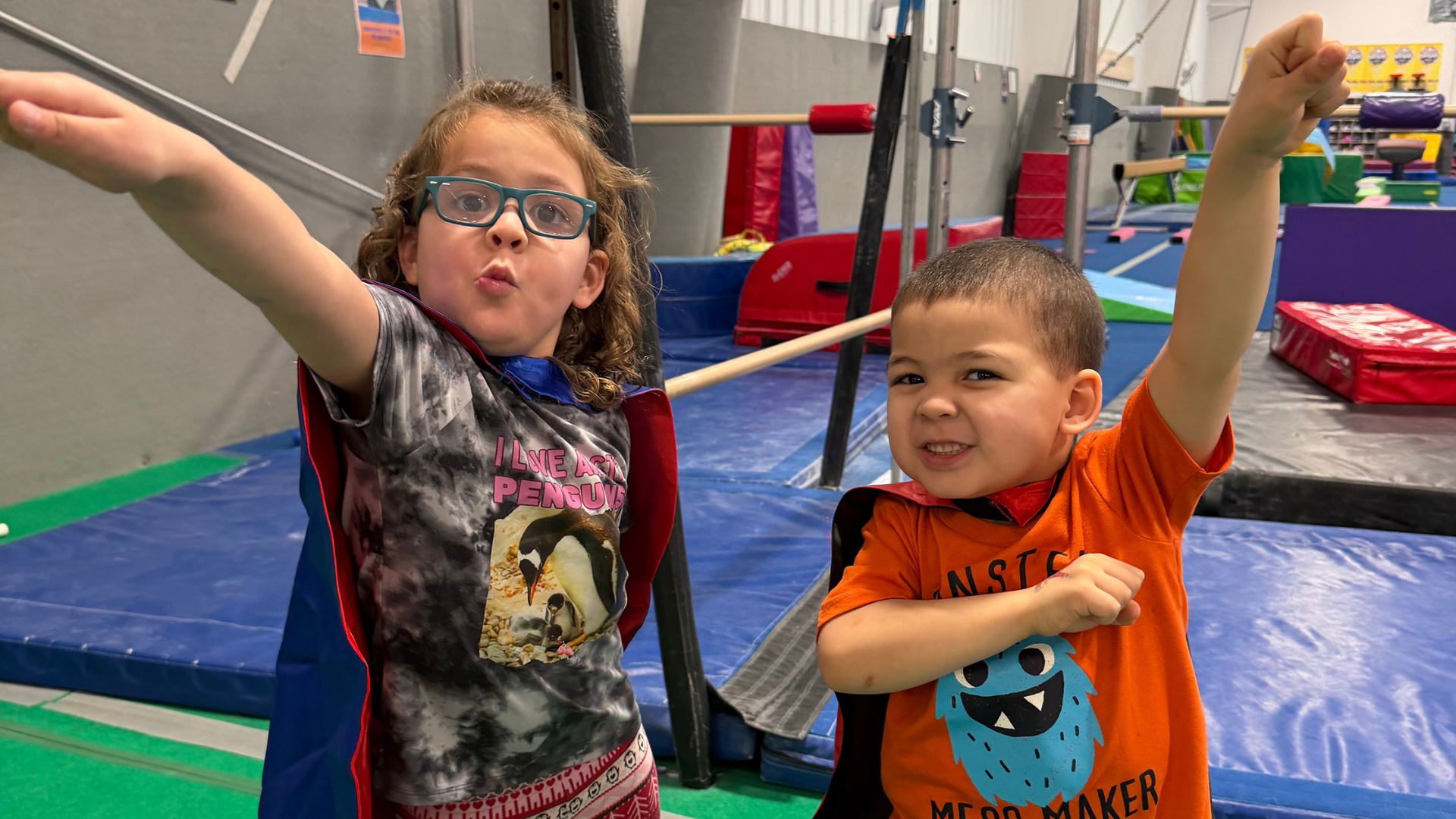
Gymnastics gives preschoolers opportunities to try something new, make mistakes, and try again.
Learning a new skill can take time. When a child finally completes a balance, jump, roll, or climb that they've been practicing, they experience the satisfaction that comes from accomplishing something through effort.
These experiences can help children develop:
- Confidence
- Persistence
- Independence
- Problem-solving skills
- A willingness to try new things
The goal isn't perfection. Preschool gymnastics should give children a safe and encouraging environment where they can explore movement and discover what their bodies can do.
8. Encourages Social Skills
Gymnastics classes also provide opportunities for preschoolers to interact with other children.
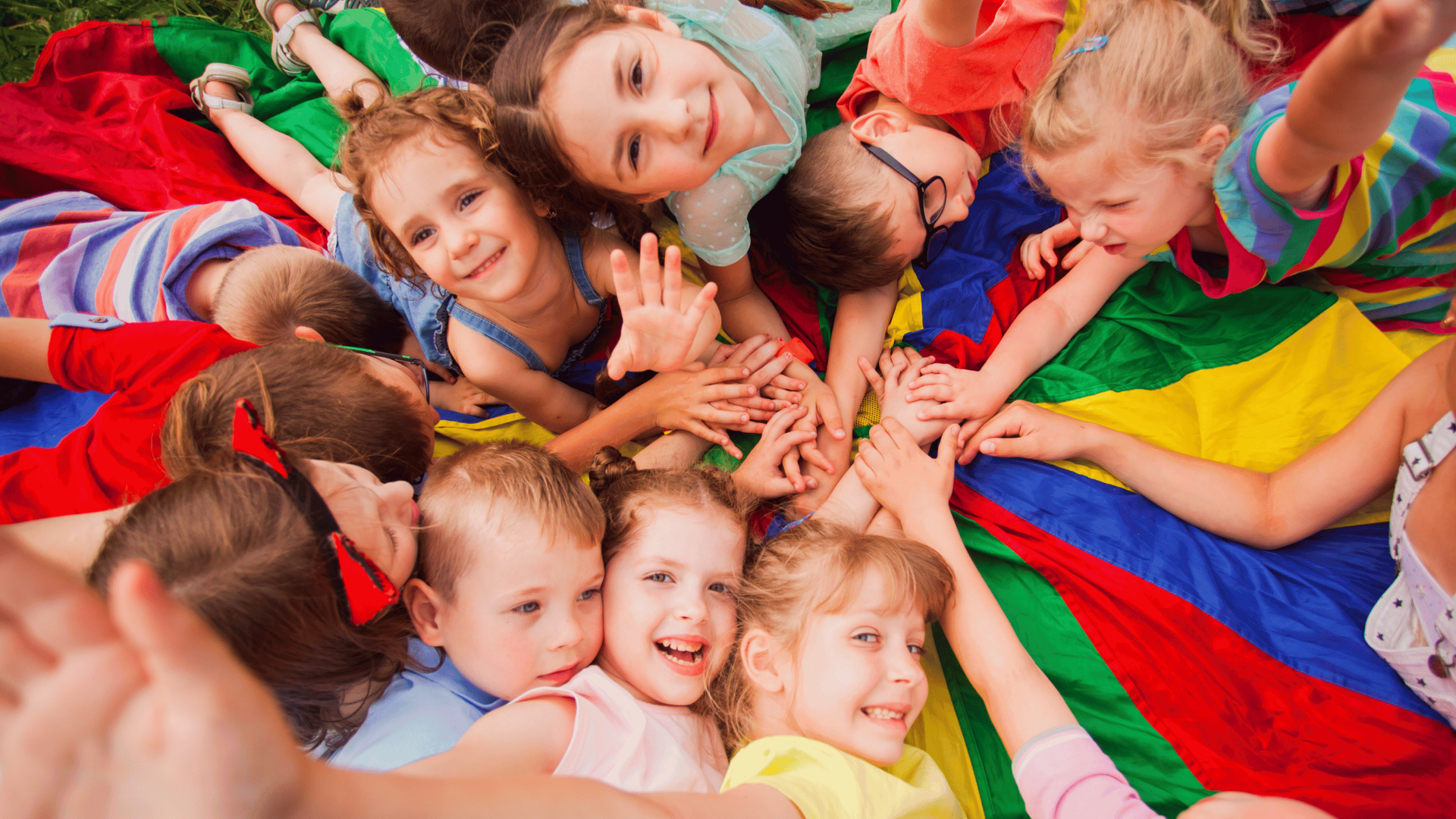
Children learn to take turns, share equipment, follow group expectations, encourage their classmates, and participate in activities together.
For many children, preschool gymnastics can be one of their first experiences participating in a structured group activity without a parent directly beside them.
This makes gymnastics a valuable opportunity to practice social and classroom skills in addition to physical development.
How Does Gymnastics Help Preschoolers Get Ready for Kindergarten?
Kindergarten readiness isn't just about knowing letters and numbers. Children also need the physical, cognitive, social, and emotional skills that allow them to participate successfully in a classroom.
Gymnastics can help reinforce many of these skills through movement and play.
- Physical readiness: Strength, balance, coordination, body awareness, and fine motor development.
- Cognitive readiness: Counting, colors, shapes, letters, sequencing, memory, and following directions.
- Social readiness: Taking turns, participating in a group, listening to an instructor, and interacting with peers.
- Emotional readiness: Building confidence, developing independence, trying new things, and learning to keep going when something is challenging.
Why Preschool Gymnastics Is About More Than Cartwheels
When parents think about gymnastics, they may picture children learning cartwheels, handstands, or flips. But for preschoolers, gymnastics is about much more than advanced skills.
It's about building a foundation for movement and learning.
Every climb, jump, balance, roll, stretch, and game gives children an opportunity to develop skills they can use throughout childhood. From strengthening the hands needed for pencil control to practicing numbers, colors, shapes, letters, and sequencing, gymnastics can support a child's development in ways that extend far beyond the gym.
Give Your Preschooler a Strong Start
If you're looking for an activity that combines physical activity, learning, social interaction, and fun, preschool gymnastics can be a wonderful choice.
At Pinnacle Gymnastics, Dance, and Ninja, our preschool gymnastics programs are designed to help young children develop confidence, coordination, strength, and important developmental skills in a fun and encouraging environment.
Read More:
Pinnacle in 3-D: Coaching, Development, and Success