
The Benefits of Dance for Preschoolers
Dance is more than learning to move to music. For preschoolers, dance is a fun and engaging way to develop physical, cognitive, social, and emotional skills that support their growth both inside and outside the studio.
From learning to follow a rhythm to remembering choreography, dancing gives young children opportunities to strengthen their bodies, exercise their brains, express themselves creatively, and build confidence. These skills can also help prepare children for the transition to kindergarten.
Whether your child dreams of becoming a dancer or simply loves to move, preschool dance provides a strong foundation for healthy development and learning.
1. Develops Coordination and Body Awareness
Preschoolers are still learning how their bodies move and how different parts of their bodies work together. Dance provides countless opportunities to practice these skills.
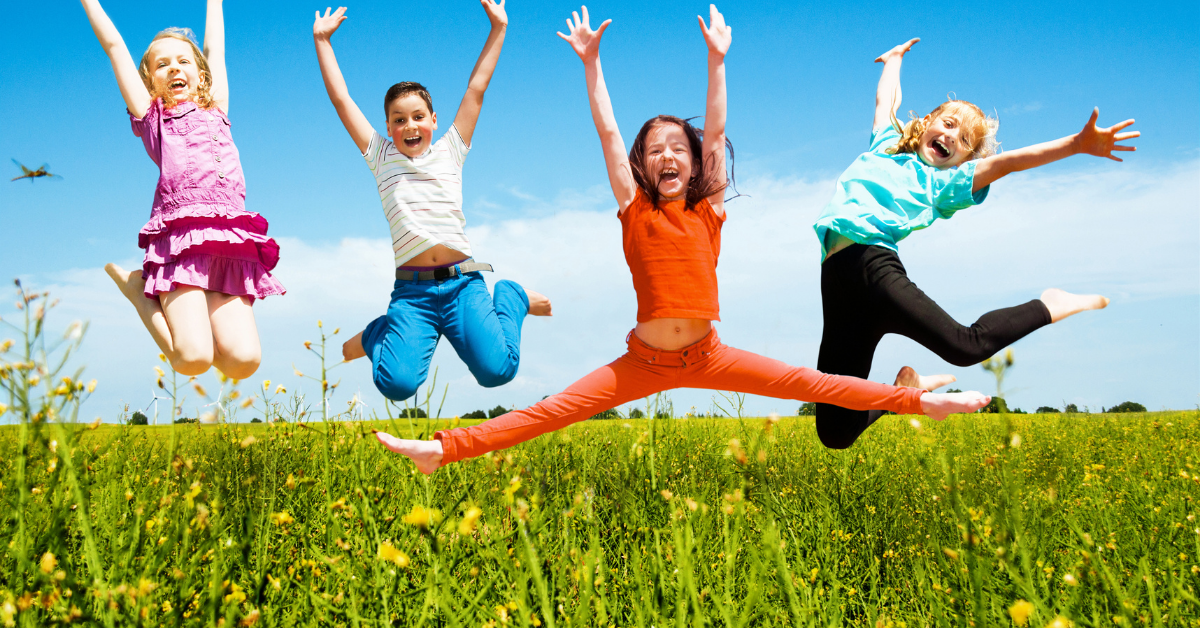
Children may learn to march, skip, jump, turn, balance, tiptoe, kick, or move their arms in different directions. Each movement challenges children to coordinate their bodies while becoming more aware of where they are in space.
Dance also helps children learn concepts such as up and down, fast and slow, big and small, and forward and backward. These concepts help preschoolers develop body awareness while making movement fun and engaging.
2. Strengthens the Body and Develops Gross Motor Skills
Dance is a full-body activity that helps preschoolers develop important gross motor skills.
Jumping strengthens the legs, balancing develops stability, and moving the arms and legs together improves coordination. Dance also encourages children to develop strength, flexibility, balance, and control.
These physical skills provide a foundation for other childhood activities, including running, playing on playgrounds, participating in sports, and simply moving confidently through everyday life.
3. Supports Crossing the Midline Through Movement
Crossing the midline is an important developmental skill that allows children to move one side of their body across the center line of the other side. Dance naturally creates opportunities for preschoolers to practice this skill.
For example, a child might reach their right hand toward their left knee during a dance movement, tap one foot while reaching across with the opposite hand, or perform a movement that requires the arms to travel across the body.
Dance makes crossing the midline feel natural because children are practicing it while moving to music rather than completing a repetitive exercise.
Developing the ability to comfortably cross the midline supports coordination between the two sides of the body and contributes to skills children use for drawing, writing, reading, getting dressed, and other everyday activities.
4. Sparks Creativity and Self-Expression
One of the most special benefits of dance for preschoolers is the opportunity to be creative.
Young children naturally love to move, imagine, and explore. Dance gives them a structured environment where they can also make their own choices.
An instructor might ask children to pretend they are butterflies, move like animals, dance like the wind, or create their own movement to a piece of music. These activities encourage children to use their imaginations and express their ideas through movement.
There isn't always one "right" way to dance. Giving preschoolers opportunities to make movement choices helps nurture creativity, imagination, self-expression, and problem-solving.
5. Builds Memory Through Music and Movement
Learning dance movements requires children to listen, remember, and repeat.
Even a simple preschool combination might involve remembering several movements in a particular order. As children practice, they begin to recognize familiar movements and recall what comes next.
Music provides an additional memory cue. Children may associate a particular movement with a specific song, rhythm, or section of music.
These experiences help strengthen memory and attention while making learning enjoyable. Over time, children become more comfortable remembering movement combinations and using their memory to participate independently.
6. Encourages Listening and Following Directions
Dance classes give preschoolers plenty of opportunities to practice listening and following directions.
Children learn to watch their instructor, listen for verbal cues, respond to changes in music, and follow instructions about where and how to move.
They may be asked to:
- Freeze when the music stops
- Move when the music starts
- Copy an instructor's movement
- Change directions
- Move to a specific spot
- Use a particular body part
- Follow a simple dance combination
These skills translate well to the classroom, where children are expected to listen to their teacher, follow directions, transition between activities, and participate as part of a group.
7. Builds Confidence and Independence
Learning something new isn't always easy. Dance gives preschoolers opportunities to practice a skill, make mistakes, try again, and experience the excitement of improvement.
Successfully remembering a movement, performing in front of classmates, or learning a new dance can give children a sense of accomplishment.
Over time, these small successes can help build confidence and independence.
Preschool dance isn't about creating perfect dancers. It's about creating opportunities for children to discover that they are capable of learning new things and expressing themselves in their own unique way.
8. Develops Rhythm and Musical Awareness
Dance naturally teaches children how to listen to and respond to music.
Preschoolers can practice identifying fast and slow tempos, loud and soft sounds, steady beats, and changes in music. They learn to move their bodies in response to what they hear.
Developing rhythm and musical awareness can also support coordination and timing. Children learn that their movements can match a beat, change with the music, or stop when the music stops.
These activities engage both the body and the brain, making music an important part of early childhood development.
How Dance Supports Kindergarten Readiness
Kindergarten readiness involves much more than recognizing letters and numbers. Children also need physical, cognitive, social, and emotional skills that allow them to participate successfully in a classroom.
Dance provides opportunities to practice many of these skills in an age-appropriate and engaging way.
Learning Letters Through Dance
Dance can reinforce letter recognition by incorporating letters into movement games. Children might dance to a letter, make letter shapes with their bodies, or move when they hear a particular letter.
Connecting letters with physical movement gives children another way to interact with early literacy concepts.
Practicing Numbers Through Movement
Counting is a natural part of dance. Preschoolers may count steps, jumps, claps, or movements.
For example, an instructor might ask children to perform five jumps or clap to a count of 1–10. These activities reinforce number recognition, counting, and one-to-one correspondence while keeping children physically engaged.
Learning Colors Through Dance
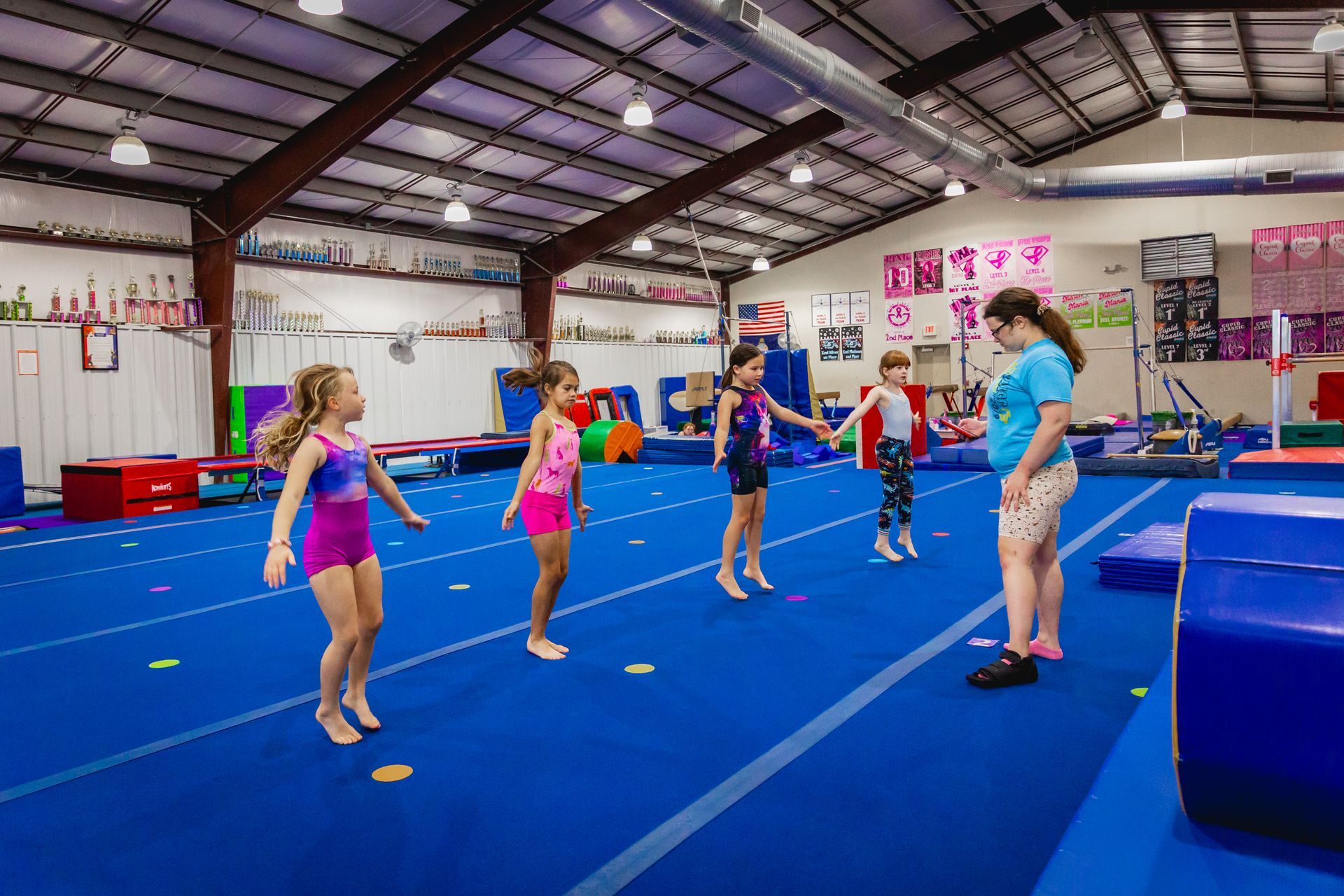
Colors can easily become part of preschool dance activities. Children may be asked to dance toward a particular colored spot, find a specific color, or perform a movement when they see a certain color.
This reinforces color recognition while encouraging children to listen, observe, and respond.
Learning Shapes Through Movement
Dance gives children the opportunity to explore shapes with their bodies.
Children can make themselves tall like a rectangle, small like a circle, or create shapes with their arms and legs. They can also move around shapes marked on the floor.
Connecting shapes to movement helps preschoolers understand that shapes aren't just pictures on a page—they can be experienced with their entire bodies.
Recognizing Patterns Through Dance
Dance is an especially fun way to practice patterns and sequencing.
Children may learn simple movement patterns such as:
Clap → clap → stomp → clap → clap → stomp
Or:
Jump → turn → jump → turn
Repeating movement patterns helps preschoolers develop memory, attention, prediction, and early logical-thinking skills. Children begin to recognize that when a pattern repeats, they can anticipate what comes next.
These skills provide an early foundation for mathematical thinking and problem-solving.
Practicing Classroom Skills
Perhaps one of the biggest ways dance supports kindergarten readiness is by giving children practice participating in a structured group environment.
Preschool dance helps children learn to:
- Listen to an instructor
- Follow directions
- Wait for their turn
- Stay in a designated space
- Participate with a group
- Transition between activities
- Remember classroom routines
- Follow simple movement patterns
These skills can make the transition to kindergarten feel more comfortable and familiar.
9. Encourages Social Development
Dance classes provide preschoolers with opportunities to learn alongside other children.
They practice sharing space, taking turns, cooperating during group activities, and respecting their classmates. Partner and group activities can also encourage children to interact with others in positive ways.
For some children, preschool dance may be one of their first experiences participating independently in a structured activity.
10. Makes Learning Fun
Perhaps one of the most important benefits of dance for preschoolers is that children are learning while they're having fun.
When children are moving to music, pretending, creating, and playing, they may not realize how many skills they are practicing.
- They're building strength while jumping.
- They're developing memory while learning choreography.
- They're practicing listening while following an instructor.
- They're developing creativity while making their own movements.
- They're building confidence every time they try something new.
And they're developing kindergarten-readiness skills while dancing, counting, recognizing colors and shapes, and repeating patterns.
Give Your Preschooler a Strong Foundation Through Dance
The benefits of dance for preschoolers extend far beyond the dance studio. Through movement and music, young children can develop coordination, strength, balance, memory, creativity, confidence, social skills, and early learning skills.
Preschool dance gives children a place to move, explore, imagine, and grow while developing skills that can benefit them for years to come.
At Pinnacle Gymnastics, Dance, and Ninja, our preschool dance programs are designed to make movement fun while helping young children build confidence and important developmental skills.
Read More:
Pinnacle in 3-D: Coaching, Development, and Success