Setting SMART Goals for Young Athletes
A new year brings a fresh opportunity to learn something new, try something different, and discover just how much we can accomplish. For young athletes, the new year is the perfect time to set goals that go beyond New Year's resolutions. Instead of focusing on big expectations or challenging accomplishments, children can build confidence, develop athletic skills, and create healthy habits through small, achievable movement goals.
Whether your child participates in gymnastics, dance, ninja, soccer, swimming, basketball, or another sport, goal setting can be an important part of their athletic journey. The best goals aren't necessarily about winning a competition, mastering an advanced skill, or being the best on the team. They're about becoming a little stronger, trying something new, practicing with purpose, and celebrating progress along the way.
At Pinnacle Gymnastics, Dance, and Ninja, we believe every child is both a masterpiece and a work in progress. There is always something to celebrate, something to learn, and another opportunity to grow. As we head into the new year, let's look beyond traditional resolutions and explore five fun, achievable movement goals that can help young athletes thrive throughout the year.
Why Goal Setting Is Important for Young Athletes
Setting goals is about much more than improving athletic performance. When children learn to set and work toward goals, they develop skills that extend far beyond the gym, dance studio, or playing field.
Builds confidence: Every time a child works toward a goal and recognizes their progress, they gain confidence in their abilities. Even small accomplishments, like holding a balance a little longer or remembering a new dance combination, reinforce the idea that hard work pays off.
Encourages a growth mindset: Young athletes learn that skills aren't mastered overnight. They begin to understand that mistakes are part of learning and that effort, practice, and patience can lead to improvement.
Develops perseverance: Some skills take weeks or even months to master. Working toward a goal teaches children to keep trying, adjust their approach, and stay motivated when something feels challenging.
Creates healthy habits: Movement goals encourage children to make physical activity a regular and enjoyable part of their lives. These habits can support strength, flexibility, coordination, balance, and overall physical well-being.
Promotes independence: When children have a voice in choosing their goals, they become more invested in their own development. They learn to take ownership of their progress rather than relying solely on coaches or parents to tell them what to accomplish.
The most meaningful goals are ones that help children enjoy the process of becoming stronger, more confident, and more capable.
Beyond Resolutions: 5 Fun, Achievable Movement Goals for Young Athletes
Forget the pressure of making a long list of resolutions that are difficult to maintain. Instead, help your child choose a few fun movement goals that encourage exploration, improvement, and consistency.
Here are five ideas that work for gymnasts and dancers but can easily be adapted to almost any sport or physical activity.
1. Master a New Skill (Big or Small!)
One of the most exciting parts of being a young athlete is discovering what your body can do. Learning a new skill provides a tangible goal to work toward and gives children something exciting to celebrate.
For a gymnast, this might mean learning a cartwheel, improving a handstand, holding a bridge, or working toward a new bar skill. For a dancer, it could be mastering a pirouette, improving a leap, learning a new dance combination, or remembering an entire routine.
Athletes in other sports can set similar goals. A soccer player might work on dribbling with both feet, a basketball player could practice a new type of shot, or a swimmer might focus on improving their technique.
The important thing is to choose a skill that is appropriate for the child's age and current ability level.
Try this:
- Choose one new skill to work toward each season.
- Break the skill into smaller steps.
- Ask a coach what foundational skills will help.
- Celebrate improvements along the way, not just the final accomplishment.
Remember, mastering a new skill doesn't have to mean learning the hardest trick or most advanced move. Sometimes the biggest accomplishment is finally doing something that once seemed impossible!
2. Build Strength, Flexibility, and Balance
Strong athletic foundations help children participate safely and confidently in their favorite activities. Strength, flexibility, and balance are important components of gymnastics and dance, but they also benefit children in virtually every sport.
Rather than setting a goal based on appearance or comparing physical abilities with other athletes, encourage children to focus on what their bodies can do.
A gymnast might work toward holding a hollow-body position with better control. A dancer might focus on improving balance during a passé or developing greater control in a développé. A young athlete in another sport might work on improving single-leg balance, body control, or core strength.
These foundational abilities support coordination, stability, and more efficient movement.
Try this in:
- Practice balancing on one foot for a few extra seconds.
- Work on age-appropriate core-strengthening activities.
- Improve flexibility through safe, coach-guided stretching.
- Challenge coordination with activities like skipping, hopping, and jumping.
- Focus on controlled movements rather than simply doing more repetitions.
A little progress in these areas can make a big difference in how children move and perform. And the best part? Many strength, flexibility, and balance activities can feel more like games than workouts!
3. Try Something New Outside Your Comfort Zone
Growth happens when we are willing to try something new. For young athletes, that doesn't mean doing something scary or attempting a skill they aren't ready for. It means being open to new experiences, embracing challenges, and discovering new interests.
A gymnast might try a different apparatus, participate in a new clinic, or attempt a skill progression they haven't tried before. A dancer might explore a new style, such as jazz, hip-hop, ballet, or contemporary. An athlete in another sport might try a new position, participate in a different team activity, or learn a new way to practice. Sports sampling is recommended by the Aspen Institute aiming to keep kids involved in sports longer.
Trying something new also helps children understand that they don't have to be good at everything right away.
Try this in:
- Attend a clinic or special class.
- Explore a new sport or movement activity.
- Learn a different dance style or gymnastics event.
- Participate in a team challenge.
- Set a goal to attempt one new activity each month.
Stepping outside a comfort zone builds adaptability, courage, and confidence. It also reminds children that sports should be about exploration and enjoyment, not just performance.
4. Practice Consistency, Not Perfection
One of the most valuable lessons young athletes can learn is that progress comes from consistency. It isn't about having a perfect practice every time or mastering a skill on the first attempt. It's about showing up, putting in effort, and continuing to learn.
For gymnasts and dancers, consistency might mean focusing on technique during class, listening to coaching feedback, or working on a specific skill progression. For other athletes, it could mean practicing fundamental movements, developing better footwork, or committing to regular participation.
This goal is especially important because children sometimes become discouraged when they don't see immediate results. Helping them focus on the habits that lead to improvement can make the process more rewarding.
Try this in:
- Set a goal to attend practices and classes consistently.
- Choose one coaching tip to focus on during each class.
- Celebrate effort, focus, and determination.
- Create a simple progress journal or checklist.
- Recognize improvement, even when it seems small.
Consistency doesn't mean doing more than your body needs or practicing through fatigue or pain. Rest, recovery, and balance are also important parts of athletic development.
When children learn that progress is built through patience and purposeful effort, they develop a mindset that will serve them in sports, school, and life.
5. Make Movement Fun!
This might be the most important goal of all. At the end of the day, children should enjoy being active. While developing skills and improving athletic performance are exciting, the experience of participating in sports should also bring happiness, friendships, laughter, and a sense of accomplishment.
For young gymnasts and dancers, this could mean learning a fun new dance, creating their own movement combination, playing a gymnastics game, or participating in a class activity with friends.
For athletes in other sports, it might mean playing a backyard game with family, trying a new playground challenge, or enjoying an activity without worrying about keeping score.
Movement doesn't always have to be structured practice. Dancing in the kitchen, riding bikes, playing tag, jumping rope, and exploring the playground all provide opportunities to develop coordination and enjoy physical activity.
Try this in:
- Find one new way to be active as a family.
- Create a fun movement challenge with friends.
- Try a new playground activity.
- Dance to a favorite song.
- Celebrate the joy of participating rather than focusing only on results.
When children associate movement with positive experiences, they're more likely to develop a lifelong appreciation for physical activity.
How Parents Can Help Young Athletes Set Achievable Goals
Parents play an important role in helping children develop a healthy relationship with goal setting. While it's natural to want to see your child succeed, the best goals are ones that reflect their interests, abilities, and personal motivation.
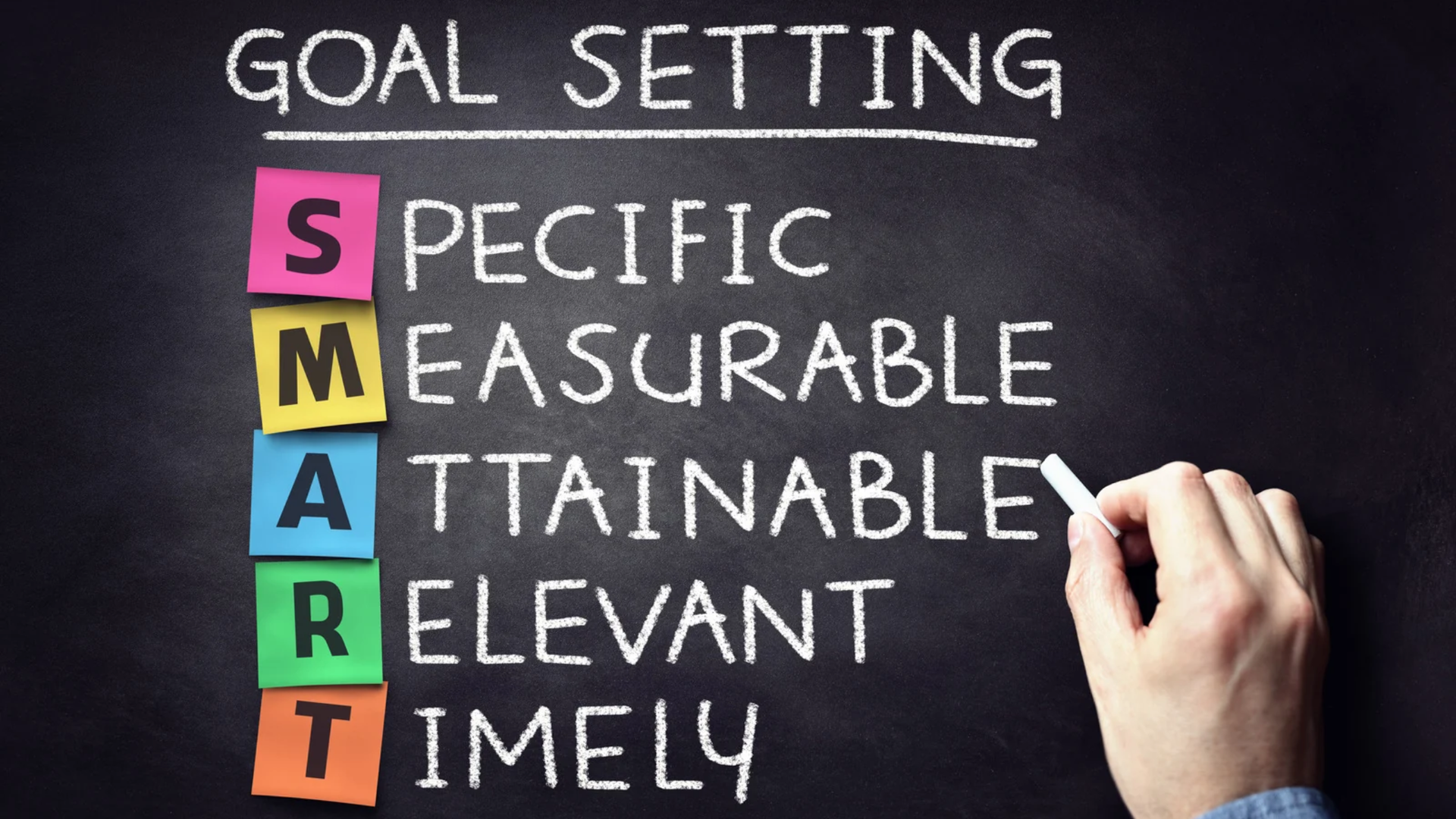
Use the SMART Goal Method
One way to help young athletes create meaningful, achievable goals is to introduce them to the SMART goal method. SMART goals give children a simple framework for turning a big idea into smaller, more manageable steps.
SMART stands for:
- S – Specific: What exactly do you want to accomplish? Instead of saying, "I want to get better at gymnastics," try "I want to improve my handstand."
- M – Measurable: How will you know you're making progress? For example, "I want to hold my handstand with control for three seconds."
- A – Achievable: Is the goal realistic for your child's current age and ability? Goals should be challenging enough to inspire growth but not so difficult that they become discouraging. A coach can help identify appropriate steps.
- R – Relevant: Is this something your child genuinely wants to accomplish? Goals are more meaningful when they connect to their interests and what they enjoy about their sport.
- T – Time-Bound: When would your child like to work toward achieving this goal? Setting a general timeline, such as by the end of the season or in the next three months, helps create focus without adding unnecessary pressure.
Putting SMART Goals into Practice
Let's say your young dancer wants to improve her turns. Rather than setting a general goal to "get better at turns," a SMART goal might look like this:
"I want to improve my balance and control so I can complete two consecutive pirouettes by the end of the spring dance session. I'll focus on my technique and listen to my teacher's feedback during class."
Or, a young gymnast might set a goal to hold a straight-body handstand against the wall for 10 seconds by the end of the next eight weeks, working on appropriate strength and body-position progressions with their coach.
The SMART method helps children understand what they're working toward and recognize the smaller accomplishments that move them closer to their goal.
Keep in mind that SMART goals should be flexible, especially for younger athletes. The purpose isn't to create another source of pressure or turn sports into a checklist. It's to help children develop ownership, recognize progress, and experience the satisfaction of working toward something they are excited to achieve.
Here are a few ways to make goal setting a positive experience:
Let your child help choose the goal. Ask what they would like to learn, improve, or try. A goal that comes from the child is often more meaningful than one chosen entirely by a parent.
Keep goals age-appropriate. Younger children may benefit from simple goals, such as learning a new movement or remembering a dance. Older athletes may be ready to work toward more specific skill, strength, or technique improvements.
Break big goals into smaller steps. A goal like learning a handstand or mastering a dance turn can feel overwhelming. Coaches can help identify the foundational movements and progressions needed to reach that goal.
Focus on effort instead of outcomes. Children cannot always control whether they win a competition, make a team, or master a skill by a certain date. They can control their attitude, effort, focus, and willingness to learn.
Celebrate progress along the way. Don't wait until the goal is completely achieved to recognize success. Every improvement deserves encouragement.
Remember the importance of balance. Sports are just one part of childhood. School, family, friendships, rest, and other interests all deserve attention. Healthy goal setting should add excitement to a child's athletic experience, not create unnecessary pressure.
Most importantly, remind your child that their worth as an athlete isn't determined by the number of skills they can perform or the awards they earn. Every athlete develops at their own pace.
Make this a Year of Purpose, Passion, and Progress
As we look ahead, let's encourage young athletes to think beyond traditional New Year's resolutions. Let's help them set goals that build confidence, develop athletic foundations, encourage new experiences, and create a genuine love for movement.
At Pinnacle Gymnastics, Dance, and Ninja, we believe every child has the potential to grow in their own way. Whether they're learning their first forward roll, mastering a new dance combination, developing strength and flexibility, or discovering the confidence to try something challenging, every step forward matters.
Our goal is to empower children physically and mentally through sports while creating an environment where they can learn, grow, and have fun. We believe in doing things with purpose, approaching each opportunity with passion, and celebrating progress rather than expecting perfection.
So, what's one thing your young athlete wants to accomplish?
It doesn't have to be a big goal. It just needs to be something that inspires them to keep moving, keep learning, and keep growing.
Here's to a year of trying new things, celebrating small victories, and discovering just how much we can accomplish together. Let's make this a year of movement, confidence, and progress!
Looking for a place where your child can build skills, confidence, and a love of movement? Explore gymnastics, dance, and ninja classes at Pinnacle Gymnastics, Dance, and Ninja. We can't wait to be part of your child's journey!
Read More:
- Best Indoor Activities for Kids
- Top Places for a Family Date Night
- 5 Ways to Encourage a Growth Mindset at Home
Pinnacle in 3-D: Coaching, Development, and Success